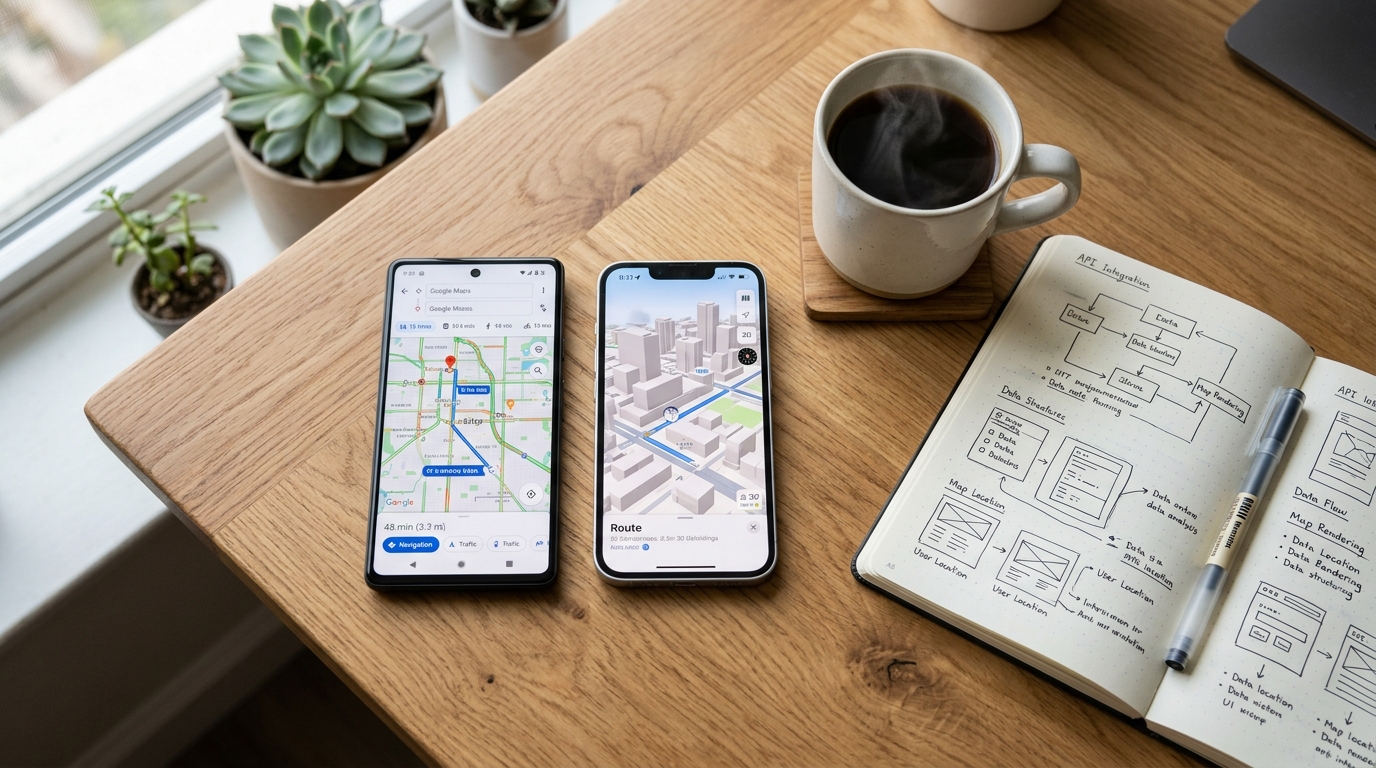
दैनिक पारिवारिक सुरक्षा के लिए find my app का मूल्यांकन करते समय, सबसे भरोसेमंद विकल्प इस बात पर निर्भर करता है कि आप ऑपरेटिंग सिस्टम के साधारण फीचर्स की तुलना एक समर्पित प्लेटफॉर्म से कैसे करते हैं। हालिया डेटा से पता चलता है कि जो परिवार बिखरे हुए बिल्ट-इन टूल्स के बजाय एक एकीकृत (unified) ट्रैकिंग सिस्टम पर स्विच करते हैं, वे अपनी दिनचर्या में काफी कम परेशानी महसूस करते हैं। कुछ हफ़्ते पहले, जब हमने Find: Family Location Tracker के लिए उपयोगकर्ता जुड़ाव का एक बड़ा मील का पत्थर पार किया, तो मैंने तकनीकी फीडबैक लॉग्स की समीक्षा की। आठ साल के मोबाइल अनुभव निर्माण के सॉफ्टवेयर इंजीनियर के रूप में, मुझे उम्मीद थी कि मैं बैकग्राउंड बैटरी ऑप्टिमाइज़ेशन या मैप रेंडरिंग स्पीड के बारे में तकनीकी अनुरोध पढ़ूँगा। इसके बजाय, मुझे राहत का एक अलग ही पैटर्न दिखाई दिया। उपयोगकर्ता हमारे प्लेटफॉर्म की तुलना उन डिफ़ॉल्ट उपयोगिताओं से कर रहे थे जिनका वे पहले उपयोग करते थे, और यह देख रहे थे कि एक ही क्रॉस-प्लेटफॉर्म मैप पर सभी के दिखने से उनकी शामें कितनी सरल हो गई हैं।
डिफ़ॉल्ट ओएस यूटिलिटीज बनाम उद्देश्य-निर्मित प्लेटफॉर्म का आकलन करें
ज्यादातर लोग अपने फोन में पहले से इंस्टॉल सॉफ्टवेयर का ही इस्तेमाल करते हैं। जब find my iphone या गूगल के मूल find my device जैसे बिल्ट-इन टूल्स की तुलना एक समर्पित फैमिली ट्रैकर से की जाती है, तो मुख्य अंतर 'उद्देश्य' का होता है। बिल्ट-इन ओएस टूल्स मुख्य रूप से हार्डवेयर रिकवरी के लिए डिज़ाइन किए गए हैं। वे सोफे के कुशन में खोए हुए डिवाइस को ढूंढने या चोरी हुए फोन को रिमोटली लॉक करने में माहिर हैं। हालाँकि, उनके यूजर इंटरफेस अक्सर सिस्टम सेटिंग्स के अंदर दबे होते हैं, और वे आईओएस (iOS) और एंड्रॉइड (Android) ईकोसिस्टम के बीच की दूरी को पाटने में संघर्ष करते हैं।
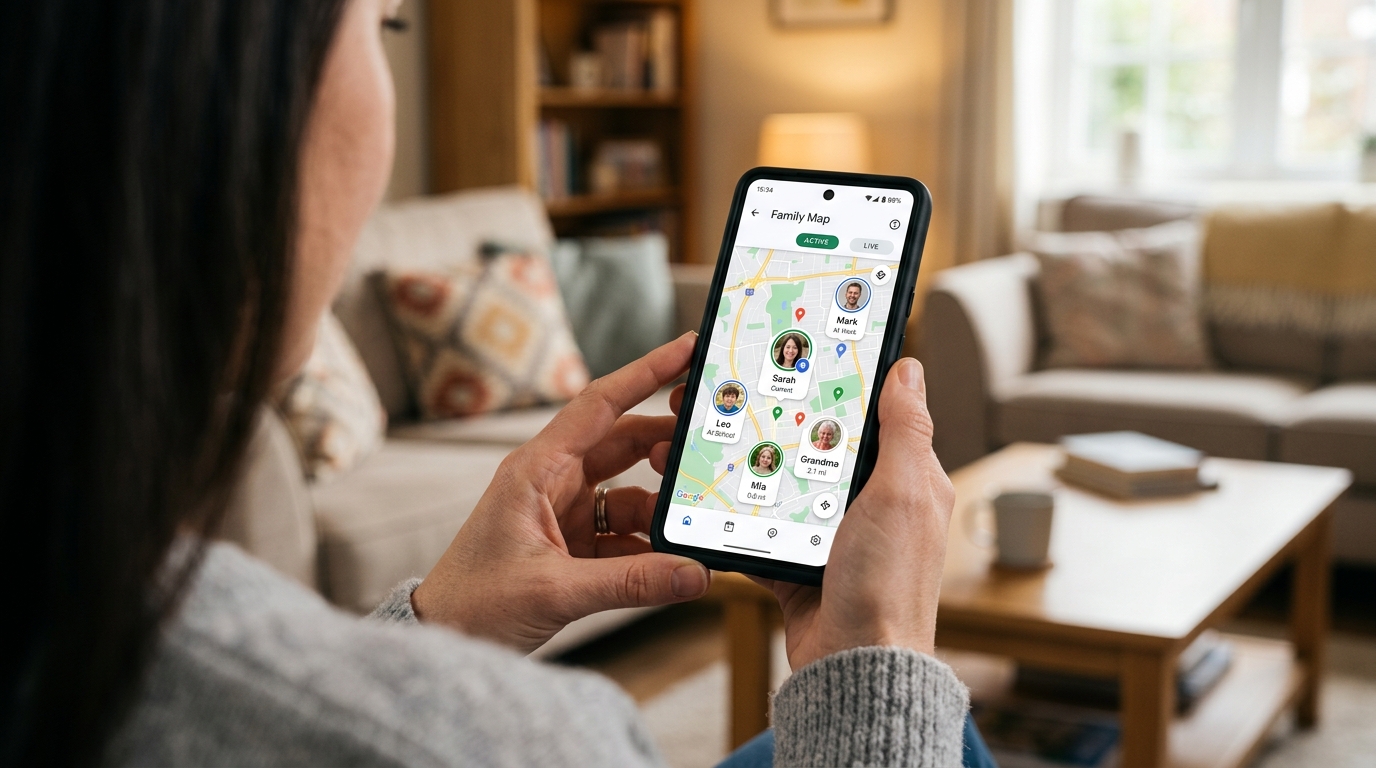
इसके विपरीत, समर्पित फैमिली सेफ्टी प्लेटफॉर्म विशेष रूप से मानवीय तालमेल के लिए डिज़ाइन किए गए हैं। एक विशेष ट्रैकिंग टूल सभी को एक न्यूट्रल मैप पर लाता है, चाहे उनकी जेब में किसी भी ब्रांड का फोन क्यों न हो। उदाहरण के लिए, life360 ने स्थायी 'फैमिली सर्कल्स' की अवधारणा को लोकप्रिय बनाया, लेकिन कई उपयोगकर्ताओं को इसके भारी फीचर्स बोझिल लगते हैं। Find: Family Location Tracker के साथ हमारा दृष्टिकोण बिना किसी फालतू तामझाम के केवल सहज लोकेशन शेयरिंग पर केंद्रित है। यदि आप विभिन्न मोबाइल ऑपरेटिंग सिस्टम के बीच स्कूल पिक-अप को आसानी से समन्वित करना चाहते हैं, तो एक समर्पित ऐप का एकीकृत दृश्य विशेष रूप से उसी के लिए बनाया गया है।

लोकेशन शेयरिंग की आदतों पर रियल-वर्ल्ड डेटा की जांच करें
यह समझने के लिए कि एक साधारण टूल अक्सर जटिल वर्कअराउंड पर क्यों जीतता है, हमें यह देखना होगा कि लोग वास्तव में कैसा व्यवहार करते हैं। ऑल अबाउट कुकीज़ के एक हालिया सर्वेक्षण से पता चला है कि 62% अमेरिकी अब अपनी लोकेशन दूसरों के साथ साझा करते हैं। इससे भी महत्वपूर्ण बात यह है कि जिन माता-पिता के पास अपने बच्चों के उपकरणों की लोकेशन शेयरिंग एक्सेस है, उनमें से 58% हर दिन अपने बच्चे की लोकेशन चेक करते हैं। यह डेटा इस पुरानी धारणा के बिल्कुल विपरीत है कि लोकेशन ट्रैकिंग केवल आपात स्थिति के लिए है।
जब आप लोकेशन चेक करने की दैनिक आदत की तुलना "क्या तुम अभी तक वहाँ पहुँच गए?" वाले पुराने टेक्स्ट मैसेज भेजने के तरीके से करते हैं, तो कुशलता स्पष्ट हो जाती है। ऐप मार्केट उपभोक्ता व्यवहार में इस बदलाव को दर्शाता है। हालिया मोबाइल उद्योग अपडेट के अनुसार, वैश्विक उपभोक्ता ऐप खर्च $510 बिलियन को पार कर गया है, जिसमें ऐप रेफरल कुल इंस्टॉल का लगभग 20% है। परिवार एक भरोसेमंद फैमिली लोकेटर अपनाते हैं, महसूस करते हैं कि यह उनके दैनिक समन्वय की समस्याओं को हल करता है, और तुरंत इसे अपने विस्तारित परिवार के सदस्यों को रेफर करते हैं। एक पारदर्शी, ऑप्ट-इन सिस्टम के फायदे खंडित संचार (fragmented communication) के नुकसानों से कहीं अधिक हैं।
नेविगेशन टूल्स और सुरक्षा टूल्स के बीच भ्रमित होना बंद करें
हमारे यूजर लॉग्स में एक और आम तुलना ट्रांजिट ऐप्स को व्यक्तिगत ट्रैकिंग के लिए उपयोग करने का प्रयास है। कई परिवार यात्रा कर रहे सदस्य पर नज़र रखने के लिए google maps या waze को आपस में जोड़ने की कोशिश करते हैं। हालाँकि ये एप्लिकेशन रूटिंग और ट्रैफ़िक भविष्यवाणी के लिए इंजीनियरिंग के चमत्कार हैं, लेकिन ये निष्क्रिय पारिवारिक निगरानी के लिए उपयुक्त नहीं हैं।
आइए इसकी कार्यप्रणाली की तुलना करें। जब आप maps के माध्यम से यात्रा साझा करते हैं, तो इसके लिए एक सक्रिय सत्र की आवश्यकता होती है। भेजने वाले को शेयर शुरू करना होगा, समय सीमा तय करनी होगी और स्पष्ट रूप से एक लिंक भेजना होगा। यह एक बार का लेनदेन है। एक समर्पित फैमिली लोकेशन ट्रैकर निरंतर, बैकग्राउंड सहमति के आधार पर काम करता है। नेविगेशन ऐप का उपयोग करने के फायदे तब स्पष्ट होते हैं जब आपको किसी नए रेस्तरां के लिए टर्न-बाय-टर्न दिशाओं की आवश्यकता होती है। लेकिन यदि आपका लक्ष्य यह सुनिश्चित करना है कि आपका किशोर बिना मैसेज किए बास्केटबॉल अभ्यास के लिए सुरक्षित रूप से पहुँच गया है, तो अस्थायी मैप लिंक पर भरोसा करना केवल निराशा ही पैदा करेगा।
लाइव ट्रैकिंग और स्टेटिक डेटा रिट्रीवल के बीच अंतर करें
मोबाइल यूटिलिटी स्पेस में सबसे चिंताजनक रुझानों में से एक लाइव जीपीएस ट्रैकिंग को सार्वजनिक डेटा स्क्रैपिंग के साथ मिलाना है। लोग अक्सर खोए हुए डिवाइस या व्यक्ति का पता लगाने की कोशिश करते समय reverse phone lookup, fast people search, या phone number lookup सेवा का उपयोग करने का प्रयास करते हैं। मैं इस गलतफहमी को अक्सर देखता हूँ, इसीलिए मैंने हाल ही में इसी ब्लॉग पर रिवर्स फोन लुकअप और फाइंड माई फोन टूल्स से जुड़े मिथकों को विस्तार से बताया है।
जब आप इन तकनीकों की साथ-साथ तुलना करते हैं, तो उनके उपयोग के मामले पूरी तरह से अलग होते हैं। एक true people search उपयोगिता किसी नाम को नंबर से मिलाने के लिए स्थिर सार्वजनिक डेटाबेस का सहारा लेती है। यह आपको बता सकता है कि फोन लाइन का मालिक कौन है, लेकिन यह कभी नहीं बताएगा कि फोन वर्तमान में हाईवे पर चल रहा है। एक find my app वास्तविक समय में निर्देशांक प्रसारित करने के लिए डिवाइस के वास्तविक जीपीएस, वाई-फाई ट्रायंगुलेशन और सेलुलर टावर डेटा का उपयोग करता है। एक गतिशील, रीयल-टाइम समस्या को हल करने के लिए स्थिर रजिस्ट्री लुकअप का उपयोग करना तकनीक का गलत चयन है।
अपने विशिष्ट वातावरण के लिए सही प्लेटफॉर्म चुनें
हर लोकेशन टूल हर रोज़ के उपभोक्ता के लिए नहीं बनाया गया है। उदाहरण के लिए, चिकित्सा और शैक्षणिक समुदाय जटिल ट्रैकिंग फ्रेमवर्क का उपयोग करते हैं—जैसे कि संज्ञानात्मक सहायता के संबंध में एनसीबीआई (NCBI) द्वारा मूल्यांकन किया गया FindMyApps प्रोटोकॉल। वे सिस्टम विशिष्ट रोगी आबादी की सहायता के लिए कठोर लागत-प्रभावशीलता विश्लेषण और नैदानिक परीक्षणों से गुजरते हैं। एक रोजमर्रा की पारिवारिक उपयोगिता की तुलना नैदानिक फ्रेमवर्क से करना एक महत्वपूर्ण सच्चाई को उजागर करता है: आपके उपकरण आपके वातावरण के अनुरूप होने चाहिए।
कंज्यूमर-ग्रेड ट्रैकिंग समाधान किसके लिए नहीं है? यह कॉर्पोरेट बेड़े के प्रबंधन, कर्मचारियों के सूक्ष्म प्रबंधन या नैदानिक रोगी निगरानी के लिए नहीं बनाया गया है। यह उन माता-पिता, भागीदारों और करीबी समूहों के लिए बनाया गया है जिन्हें इस प्रश्न का उत्तर देने के लिए एक हल्का, गोपनीयता का सम्मान करने वाला तरीका चाहिए कि "अभी सब कहाँ हैं?" फ्रंटगार्ड में टूल्स बनाते समय, हमारा दर्शन यह है कि फैमिली सॉफ्टवेयर तब तक अदृश्य महसूस होना चाहिए जब तक आपको इसकी आवश्यकता न हो।
नई तकनीक लागू करने से पहले स्पष्ट सीमाएं तय करें
यदि आप अपने परिवार को बुनियादी बिल्ट-इन टूल्स से हटाकर Find: Family Location Tracker जैसे समर्पित प्लेटफॉर्म पर ले जा रहे हैं, तो इसे लागू करने का तरीका उतना ही महत्वपूर्ण है जितना कि खुद सॉफ्टवेयर। मैं हमेशा इस बारे में पारदर्शी बातचीत करने की सलाह देता हूँ कि टूल को क्यों पेश किया जा रहा है। पिछली स्थिति—अनंत टेक्स्ट, मिस कॉल और बिखरे हुए ट्रैकिंग अनुरोधों—की तुलना नई स्थिति से करें: एक शांत, विश्वसनीय डैशबोर्ड जो हर किसी के समय का सम्मान करता है।
अंतर्निहित तकनीकों की तुलना करके और यह समझकर कि रीयल-वर्ल्ड डेटा हमें आधुनिक लोकेशन शेयरिंग के बारे में क्या बताता है, आप एक सूचित विकल्प चुन सकते हैं। ऐसे टूल्स चुनें जो क्रॉस-प्लेटफॉर्म अनुकूलता, रीयल-टाइम सटीकता और उपयोगकर्ता गोपनीयता को प्राथमिकता देते हैं, और स्थिर डेटाबेस खोजों और सक्रिय नेविगेशन लिंक को उन विशिष्ट कार्यों के लिए छोड़ दें जिनके लिए वे वास्तव में बनाए गए थे।