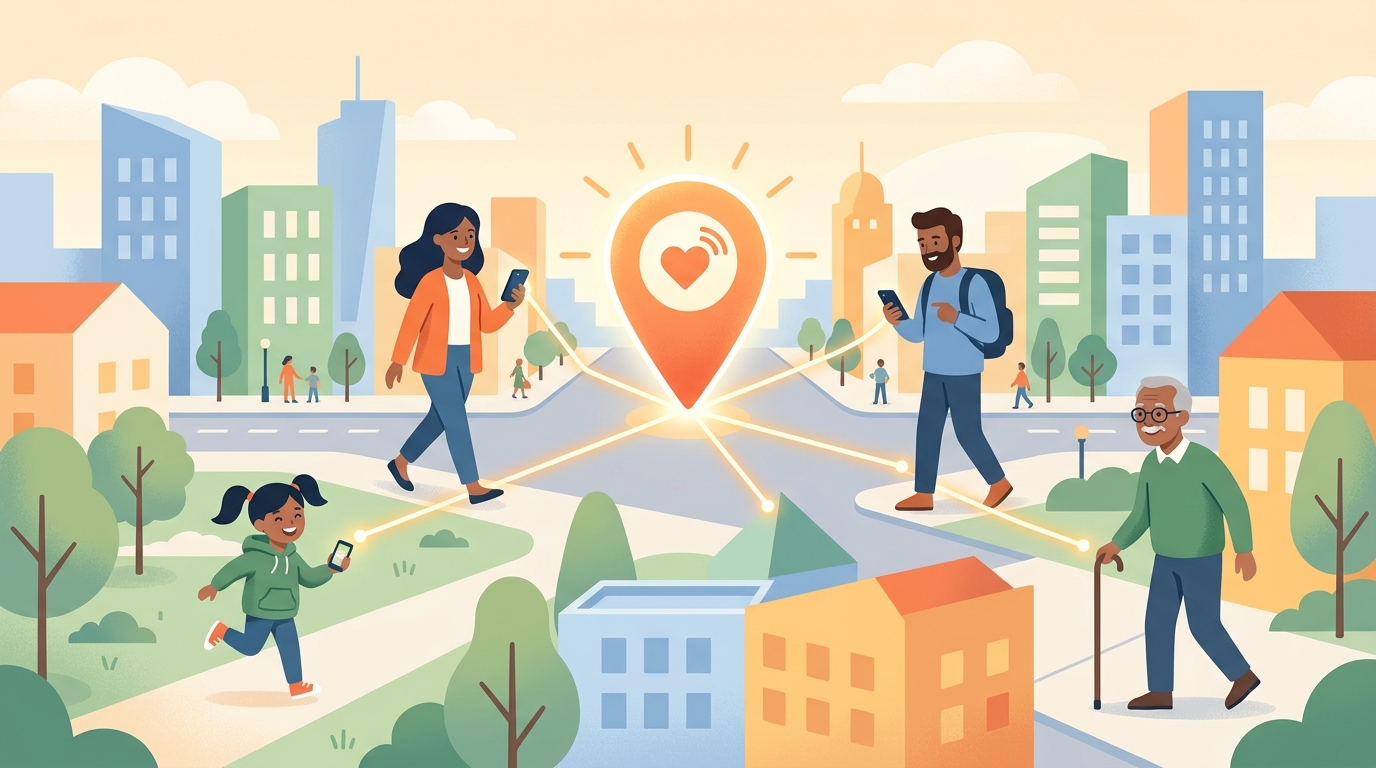
Realtime coördinatie vervangt reactieve paniek.
Het is 16:15 uur op een regenachtige dinsdag. Je tiener had twintig minuten geleden thuis moeten zijn van de training. Je stuurt een kort berichtje. Geen reactie. Je belt, maar krijgt direct de voicemail. Binnen enkele seconden slaat lichte irritatie om in oprechte ongerustheid. Je opent je laptop en vraagt je af of er een snelle manier is om hun toestel te traceren.
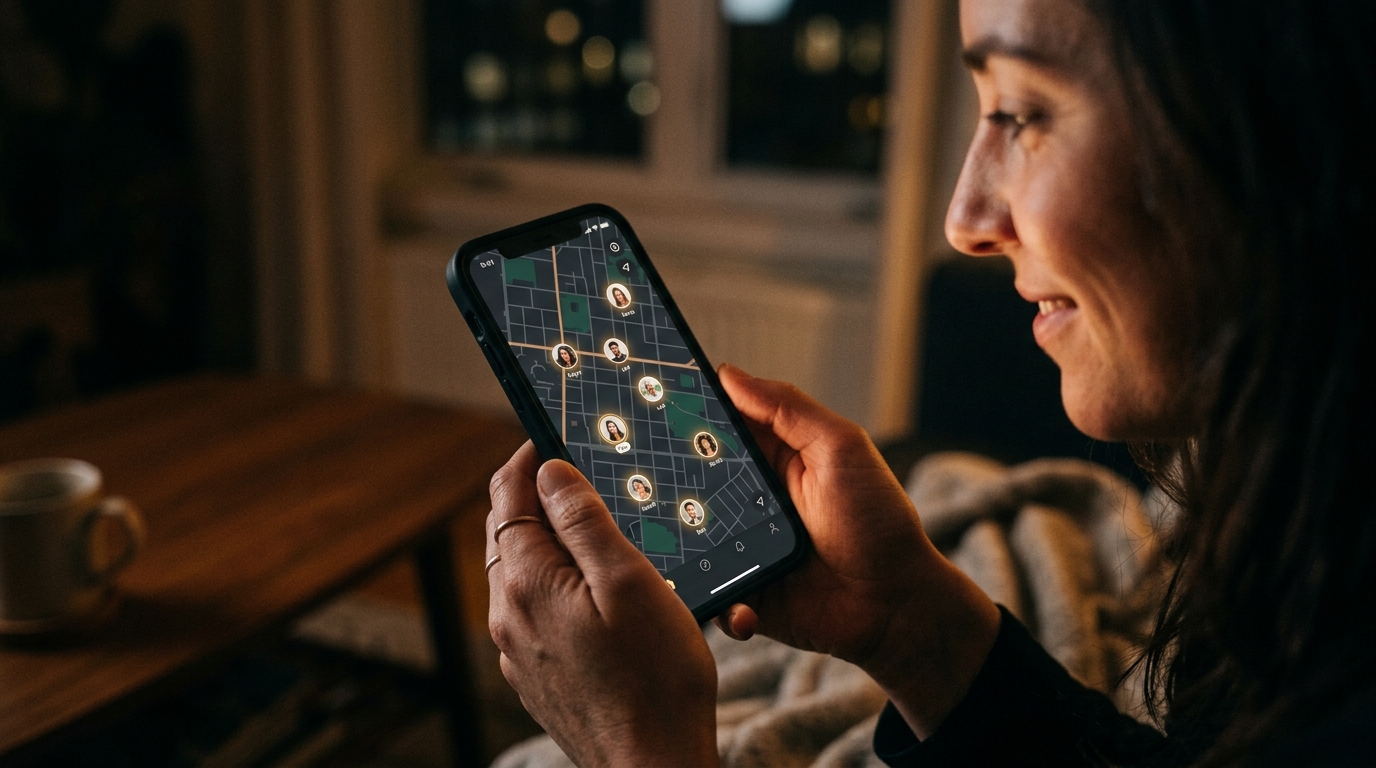
In deze stressvolle momenten heb je geen complexe zoekmachine of een versnipperde set tools nodig; je hebt onmiddellijke, nauwkeurige zichtbaarheid nodig. Find: Familie Locatie Tracker is een iOS- en Android-applicatie die precies voor dit scenario is ontworpen. Gebouwd voor gezinnen, verzorgers en hechte groepen, stelt het gebruikers in staat om elkaars live locatie veilig te bekijken op één privékruispunt, waardoor de kloof tussen verschillende telefoonmerken en besturingssystemen wordt overbrugd.
Als onderzoeker op het gebied van digitale beveiliging evalueer ik regelmatig hoe technologie ons dagelijks leven beïnvloedt. Het valt me op dat gezinnen consequent dezelfde fout maken: ze wachten op een noodsituatie om hun strategie voor het delen van locaties te bepalen. Tegen de tijd dat iemand vermist is of onbereikbaar, is het te laat om een veilige tracking-omgeving op te zetten.
Gefragmenteerde zoekhulpmiddelen geven valse hoop.
Wanneer de paniek toeslaat, grijpen mensen vaak naar ineffectieve methoden om hun dierbaren te vinden. Ze proberen een website voor personen zoeken of telefoonnummer zoeken, in de hoop dat een openbare database op de een of andere manier live GPS-coördinaten biedt. Anderen proberen een omgekeerd telefoonnummer onderzoek of typen een nummer in een nummerzoeker, waarbij ze fundamenteel verkeerd begrijpen wat deze registers daadwerkelijk bieden.
Om duidelijk te zijn: online zoeken naar gegevens via een telefoonnummer tracker geeft je alleen statische, historische openbare records. Het zal je nooit vertellen waar een persoon op dit moment staat. Mijn collega Emre Yıldırım behandelde deze wijdverspreide verwarring in zijn analyse van mythes over het omgekeerd zoeken naar telefoonnummers, waarin hij uitlegt waarom vertrouwen op deze tools voor onmiddellijke fysieke veiligheid een gevaarlijke misvatting is.
Op dezelfde manier zijn standaard navigatietools zoals Waze of generieke kaarten uitstekend om je van punt A naar punt B te brengen en files te vermijden. Ze zijn echter niet ontworpen voor continue coördinatie binnen het gezin op de achtergrond. Zelfs het delen van je live route via Google Maps vereist actieve handmatige invoer van de verzender voor elke rit, wat het doel voorbijstreeft wanneer de persoon die je probeert te lokaliseren onbereikbaar is.
Standaard besturingssystemen laten gaten vallen.
Als je beseft dat een toestel weg is of iemand te laat is, is je volgende instinct waarschijnlijk om de ingebouwde systeemtools te gebruiken. Voor Apple-gebruikers betekent dit het openen van Zoek mijn, zoeken naar Zoek mijn iPhone, of inloggen op een portaal op een desktop. Deze native applicaties zijn fenomenaal voor hun oorspronkelijke doel: het terugvinden van apparaten.
Als je je telefoon moet zoeken omdat hij tussen de bankkussens is gegleden, of als je een gestolen iPad probeert te lokaliseren met Vind mijn apparaat, zijn deze tools ongeëvenaard. Maar als dagelijks systeem voor gezinsplanning schieten varianten zoals zoekmijniphone of de standaard find my tools tekort zodra je huishouden buiten het ecosysteem van één enkel merk stapt.
Als jij een iPhone gebruikt maar je partner een Android-toestel, kunnen de standaard tools van het besturingssysteem niet efficiënt met elkaar communiceren. Je blijft in het ongewisse. Find: Familie Locatie Tracker fungeert als een speciale, platformonafhankelijke brug. Het maakt niet uit welk merk smartphone je gezinsleden verkiezen; iedereen verschijnt op exact dezelfde privékaart.
Privacy gedijt bij wederzijdse transparantie, niet bij geheimhouding.
Een belangrijk argument tegen apps voor het tracken van gezinnen is de aanname dat mensen, vooral tieners, het vreselijk vinden om gevolgd te worden. Mijn onderzoek wijst op een heel andere realiteit. Wanneer het wordt ingezet met wederzijdse instemming, biedt het delen van locaties juist comfort in plaats van dat het fungeert als een surveillancelijn.
De nieuwste data ondersteunen deze gedragsverandering. Volgens het rapport "Mobile App Trends 2026" van Adjust stegen de wereldwijde mobiele app-sessies jaar-op-jaar met 7%. Belangrijker nog: het rapport benadrukt dat de opt-in-percentages voor iOS App Tracking Transparency (ATT) gestaag klommen naar 38% in het eerste kwartaal van 2026. Dit cijfer is veelzeggend.
Gebruikers zijn niet per definitie tegen het delen van gegevens; ze wijzen simpelweg ondoorzichtige, onbetrouwbare platforms af. Wanneer een applicatie duidelijke, wederzijdse waarde biedt — zoals weten dat je partner veilig door een sneeuwstorm is gekomen — geven mensen bereidwillig toestemming. De verschuiving naar AI-gestuurde platformmetingen in de data van 2026 bewijst dat de industrie beweegt naar een slimmere, transparantere omgang met data. Find: Familie Locatie Tracker sluit aan bij deze standaard en richt zich strikt op consensueel delen in privégroepen.
Dit brengt ons bij een cruciaal punt met betrekking tot de doelgroep. Voor wie is deze app NIET bedoeld? Het is niet voor individuen die op zoek zijn naar geheime spionagetools of verborgen surveillance. Als het je doel is om iemand zonder diens medeweten te monitoren, is dit het verkeerde platform. Find vereist expliciete installatie en toestemming, waardoor een basis van vertrouwen wordt gelegd in plaats van achterdocht.
De juiste setup garandeert acceptatie door het gezin op de lange termijn.
Het kiezen van een specifieke tracker boven generieke alternatieven zoals Life 360 of Life360 komt vaak neer op de helderheid van de interface en optimalisatie van de batterij. Een locatie-app die de batterij van een telefoon tegen de middag leegtrekt, zal snel worden verwijderd. Find geeft prioriteit aan efficiëntie op de achtergrond en werkt locaties dynamisch bij zonder de bronnen van het apparaat uit te putten.
In mijn ervaring met het adviseren van gezinnen over digitale configuraties, raad ik aan om het systeem op te zetten tijdens een rustig, stressvrij weekend. Hier zijn de kerncriteria waarop je moet letten bij het instellen van een gezinskaart:
- Cross-platform compatibiliteit: Zorg ervoor dat de app vlekkeloos werkt op zowel iOS als Android om te voorkomen dat een gezinslid wordt uitgesloten.
- Batterij-efficiëntie: De app moet GPS-pings op de achtergrond verwerken zonder de dagelijkse prestaties van de telefoon aanzienlijk te beïnvloeden.
- Toestemming en controle: Gebruikers moeten duidelijk kunnen zien wie toegang heeft tot hun locatie en de mogelijkheid behouden om die machtigingen te beheren.
- Gebruiksgemak: De interface moet eenvoudig genoeg zijn voor een 8-jarige om te begrijpen en een 80-jarige om te bedienen.
Bij Frontguard is onze filosofie voor al onze mobiele apps — of we nu professionele vergaderingen vereenvoudigen met onze AI Note Taker of gezinnen helpen coördineren met Find — dat technologie frictie moet verminderen, niet vergroten. Een speciale gezinskaart bereikt precies dat. Het transformeert het paniekerige "Waar ben je?" berichtje in een stille, geruststellende blik op een scherm.
Door verder te kijken dan reactieve zoekopdrachten zoals telefoonnummer omgekeerd zoeken en beperkende OS-standaarden zoals zoek mijn iphone, bied je je gezin een proactief vangnet. Gemoedsrust zou geen koortsachtige zoektocht op het web moeten vereisen; het zou gewoon voor je klaar moeten staan op de kaart.