
לפני מספר שבועות, בזמן שניתחתי דפוסי פרטיות של צרכנים עבור סמינר בנושא אבטחה דיגיטלית, הורה שאל אותי שאלה נפוצה מאוד: "למה אני צריך אפליקציה נפרדת כדי לשמור על הילדים שלי כשהטלפון שלי כבר כולל מפה מובנית?" זו שאלה הגיונית, אך היא נובעת לרוב מתפיסה שגויה של מהות האבטחה הדיגיטלית המודרנית. אפליקציית מעקב מיקום משפחתית מודרנית היא יישום ייעודי חוצה-פלטפורמות המשתמש בטכנולוגיית GPS מאובטחת כדי לסייע למשפחות לתאם תנועות יומיומיות, למצוא מכשירים אבודים ולהבטיח בטיחות אישית מבלי להתפשר על פרטיות הפרט.
כאשר המכשירים הניידים הפכו למרכזיים בניהול חיינו, ההבחנה בין שחזור חומרה פשוט לבין תיאום אנושי בפועל הפכה לפחות ברורה. על פי דוח ה-Mobile App Trends 2026 של חברת Adjust שפורסם לאחרונה, הוצאות הצרכנים העולמיות על אפליקציות לנייד הגיעו לשיא של 167 מיליארד דולר, כאשר מספר התקנות האפליקציות גדל ב-10% בשנת 2025. אנחנו משתמשים בטלפונים שלנו כמעט לכל דבר, ובכל זאת אנחנו עדיין נאחזים בתפיסות מיושנות לגבי האופן שבו שיתוף מיקום עובד. אני רוצה לבחון את המיתוסים העקשניים ביותר שאני פוגש במחקרי הפרטיות שלי ולראות מה נתוני ההתנהגות העדכניים ביותר מספרים לנו באמת.
למה מעקב מכשירים תגובתי לא מספיק לבטיחות מודרנית?
המיתוס: כלי המערכת המובנים של הטלפון הם כל מה שמשפחה צריכה כדי להישאר מחוברת ובטוחה.
המציאות: ברירת המחדל של כלי המערכת נועדה לאיתור חומרה, לא לתיאום חיי אדם. כשאנשים מאבדים מכשיר, הם מסתמכים באופן אינסטינקטיבי על כלי העזר המובנים. הם מחפשים מצא את..., מנסים להפעיל את איתור מכשיר, או מקלידים במהירות find my iphone com בדפדפן. בעוד שכלים אלו מצוינים באיתור גאדג'ט שאבד מתחת למושב המכונית, הם נכשלים ככלי בטיחות פרואקטיביים.
תכונה מובנית של מצא את הטלפון שלי (find my phone) דורשת בדיקה אקטיבית וחרדתית. עליכם להפסיק את מה שאתם עושים, לפתוח את האפליקציה ולהסתכל ידנית על נקודה על המסך. כפי שציינו מומחים בעבר בהשוואה בין כלי מערכת הפעלה מובנים לאפליקציה ייעודית, משפחות זקוקות למערכות מאוחדות וחוצות-פלטפורמות. אם חצי מהבית משתמש באנדרואיד והחצי השני ב-iOS, המערכות המובנות יוצרות "שטחים מתים" מתסכלים. פלטפורמה משפחתית ייעודית מגשרת על הפער הזה, ומתריעה לכם כשהילד מגיע לבית הספר מבלי שתצטרכו לבהות במסך.
האם יותר נתוני מיקום גולמיים משמעותם בהכרח בטיחות טובה יותר?
המיתוס: ניטור מתמיד של מפה מפורטת מעניק שקט נפשי.
המציאות: נתונים מופרזים ללא הקשר דווקא מעוררים חרדה. אני רואה לעיתים קרובות משתמשים שמלהטטים בין מספר אפליקציות מפות – בודקים waze עבור עומסי תנועה, מסתכלים ב-google maps או ביישומי מפות כלליים לניווט, ואז עוברים לאפליקציית מעקב נפרדת כדי לראות איפה בן הזוג נמצא. חלקם אפילו מנסים להשתמש בפלטפורמות כמו life 360 או life360 ככלי לניטור ופיקוח מתמיד.
דוח Adjust לשנת 2026 מדגיש שינוי מרכזי במערכות המובייל: הבינה המלאכותית הפכה מתוספת אסטרטגית לתשתית יסודית. ביישום על חיי היומיום שלנו, זה אומר שפלטפורמות חכמות מסננות כעת את ה"רעש". במקום להראות לכם נקודה גולמית בתנועה, מערכות אינטליגנטיות לומדות את שגרת היומיום ומתריעות רק על חריגות. המטרה היא כבר לא לצפות בכל תנועה של מישהו, אלא לסמוך על כך שהמערכת תתריע אם משהו חורג מהתבנית הרגילה.
האם ספריות לחיפוש מספרי טלפון הן כמו מערכות תיאום משפחתיות?
המיתוס: ספריות חיפוש וכלי רישום ציבוריים משרתים את אותה מטרה כמו אפליקציות מעקב מיקום.
המציאות: אני נתקל במידה מפתיעה של בלבול בין צבירת נתונים היסטוריים לבין תיאום בזמן אמת. אנשים מנסים לעיתים קרובות לבצע חיפוש טלפון הפוך (reverse phone lookup) או זיהוי שיחה כשהם לא בטוחים לגבי איש קשר. הם מניחים שביצוע חיפוש מספר טלפון או שימוש במאגרי מידע של חיפוש אנשים יעניקו להם נתוני בטיחות מיידיים וברי ביצוע.
אלו כלים שונים לחלוטין. חיפוש אנשים מהיר או ניסיון לאתר פרטי מספר טלפון מספקים רק מידע רקע היסטורי וסטטי. זה לא יגיד לכם אם המתבגר שלכם הגיע הביתה מהאימון. אם אתם מנסים לחפש את הטלפון שלי או לבדוק מה מצבו הנוכחי של קרוב משפחה, ספריית זיהוי מספרים היא חסרת תועלת. בטיחות בזמן אמת דורשת שיתוף נתונים אקטיבי ובהסכמה, לא איסוף נתונים מרשומות ציבוריות.
איך מגמות הפרטיות סותרות את מה שחשבנו שאנחנו יודעים?
המיתוס: צרכנים חוסמים את כל אפשרויות המעקב לחלוטין בגלל חוסר אמון באפליקציות.
המציאות: משתמשים מוכנים מאוד לשתף נתוני מיקום – אך ורק כאשר חילופי הערכים ברורים ומכבדים את פרטיותם. זהו אולי נתון המידע המרתק ביותר מהמחקרים האחרונים בתעשייה. על פי דוח Adjust 2026, שיעורי האישור (Opt-in) של שקיפות מעקב האפליקציות (ATT) ב-iOS עלו מ-35% ברבעון הראשון של 2025 ל-38% ברבעון הראשון של 2026.
למה אנשים מאשרים יותר? כי השוק התבגר. משפחות מבינות ששיתוף המיקום שלהן בתוך רשת סגורה ומהימנה מעניק יתרונות בטיחותיים מוחשיים. זה כבר לא עוסק באיסוף נתונים שרירותי; זה עוסק בהסכמה מפורשת למטרה ספציפית ומועילה.
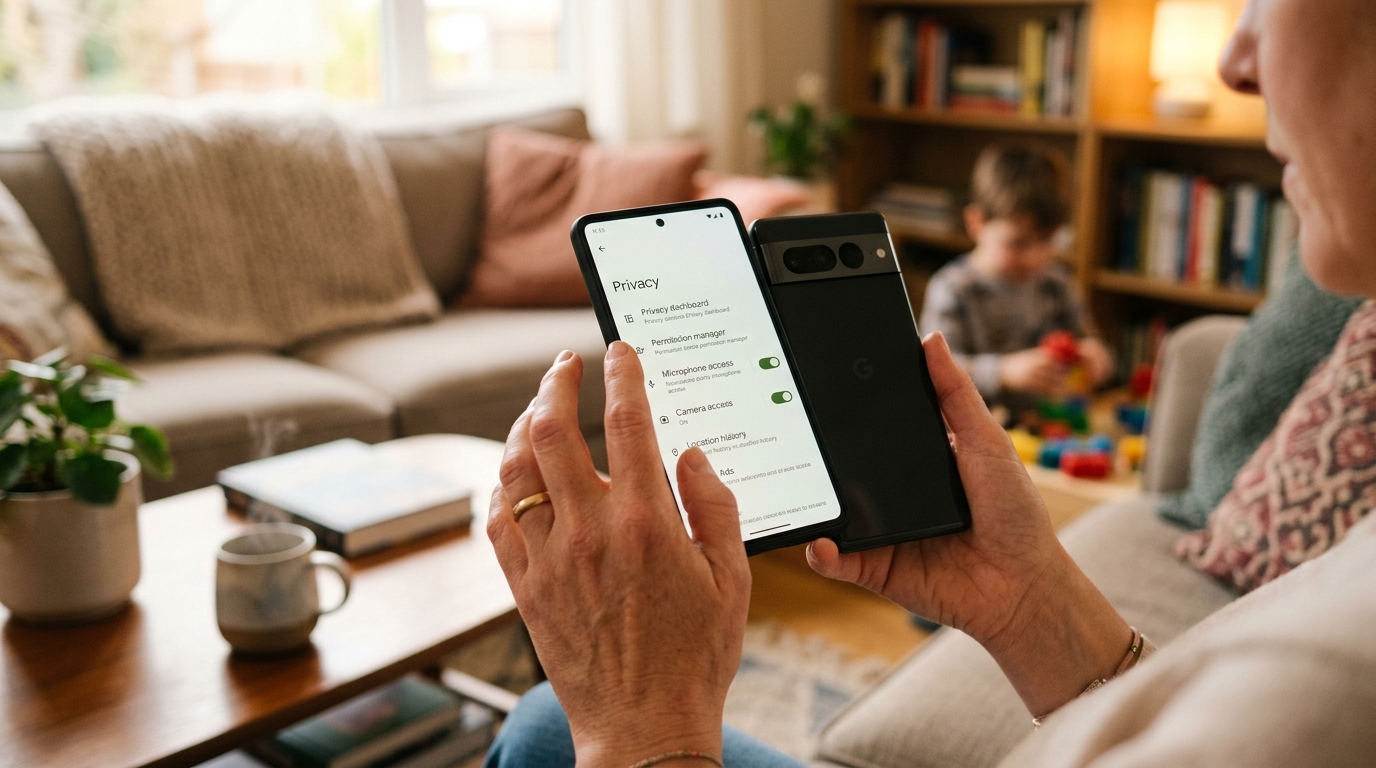
איך בוחרים את האפליקציה המתאימה לצרכים הספציפיים שלכם?
אם ברצונכם להשאיר מאחור את החרדה שבבדיקה ידנית ולהקים מערכת תיאום אמינה, עליכם לסנן את האפשרויות שלכם על סמך תועלת, ולא רק שמות מותגים. Find: Family Location Tracker היא אפליקציה חוצת-פלטפורמות לשיתוף מיקום משפחתי ואישי, שנועדה לספק הקשר גיאוגרפי בזמן אמת, התראות חכמות ותמיכה במצב לא מקוון למשקי בית מודרניים.
קהל יעד: האפליקציה נבנתה במיוחד עבור הורים עסוקים, מטפלים המתאמים טיפול בבני משפחה קשישים, וצוותים קטנים ומבוזרים הזקוקים לשיתוף מיקום קליל ובהסכמה ללא חיכוך.
למי זה לא מתאים? Find: Family Location Tracker בשום אופן לא מיועדת למעסיקים המחפשים לנהל בצורה פולשנית כל תנועה של הצוות שלהם, וגם לא לאנשים המנסים לנטר בסתר זרים ללא הסכמה. היא פועלת על בסיס אמון הדדי ושקיפות.
בעת בחירת כלי התיאום שלכם, שקלו את הקריטריונים המעשיים הבאים:
- יכולת חוצת-פלטפורמות: האם זה עובד בין אם אתם משתמשים ב-iOS ובין אם באנדרואיד?
- התראות חכמות: האם המערכת מתריעה לכם על הגעה ועזיבה באופן אוטומטי?
- יעילות סוללה: האם המעקב ברקע מרוקן את המכשיר שלכם עד אמצע היום?
בניגוד לאפליקציות מפות גנריות שמציעות רק ניווט, או כלי שחזור מכשירים שרק מאתרים חומרה אבודה, פתרון ייעודי מרכז את הבטיחות של משק הבית שלכם. איחוד הכלים מפחית חיכוך ומונע את הפאניקה של להטוט בין ממשקים מרובים בזמן חירום.
בסופו של דבר, הטכנולוגיה צריכה לעבוד בשקט ברקע כדי לתמוך בחייכם, לא לסבך אותם. אם אתם מחפשים דרך מאובטחת ושקופה לשמור על הבית מחובר, תכונות השיתוף בזמן אמת של Find: Family Location Tracker תוכננו בדיוק למטרה זו. תוכלו לחקור את זה ואת הכלים הדיגיטליים הנוספים שפותחו על ידי Frontguard כדי לראות כיצד עיצוב מודרני המכבד את הפרטיות יכול לפשט את שגרת היומיום שלכם.