Imagina una tarde de martes cualquiera. Está lloviendo a cántaros, la práctica deportiva de tu hijo adolescente terminó antes de tiempo y estás intentando coordinarte con tu pareja para pasar por él. Abres mapas para revisar el tráfico, pasas a una aplicación de mensajería para enviar un texto rápido y luego revisas buscar mi para ver si alguien se está acercando a la escuela. En cuestión de minutos, has saltado entre tres aplicaciones diferentes y, aun así, te falta una respuesta clara y unificada sobre la coordinación de tu familia.
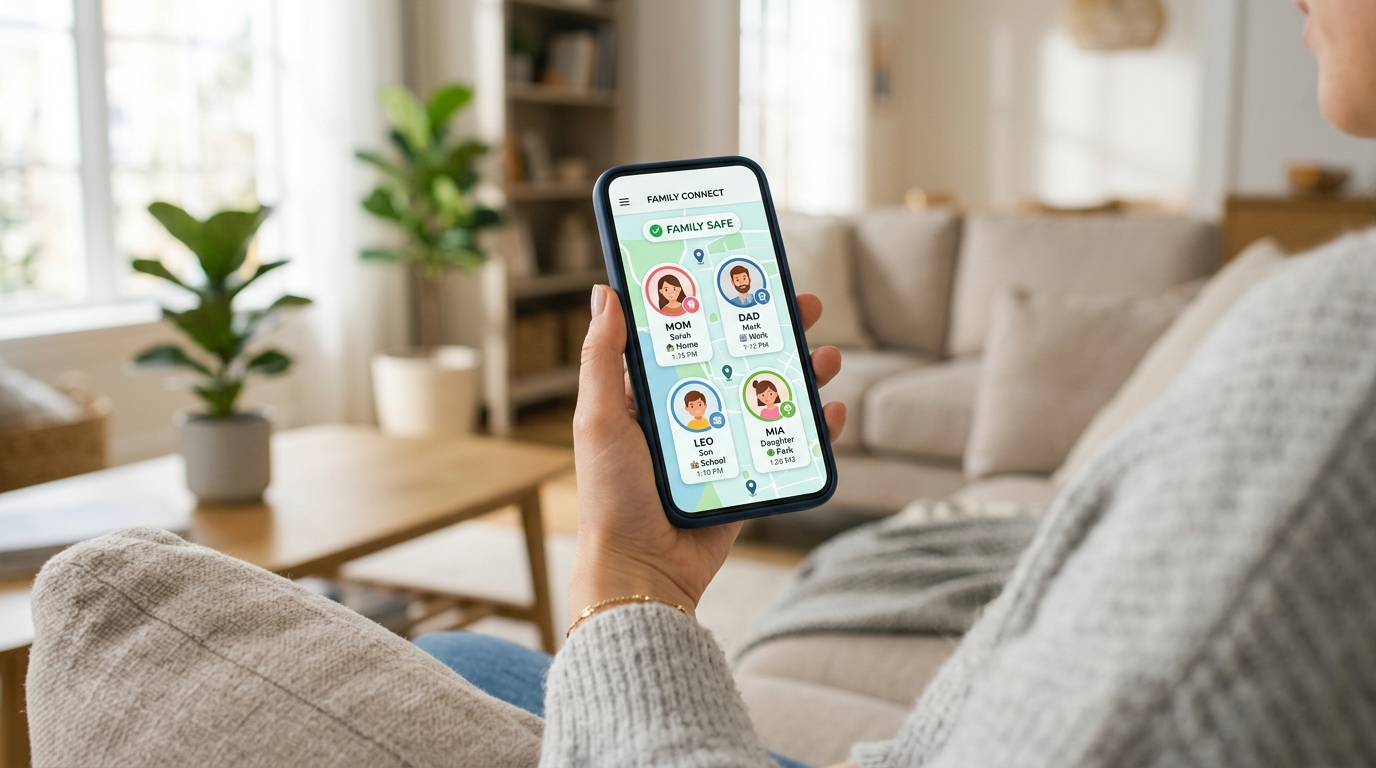
Este es el problema de la fragmentación. El rastreo de ubicación familiar moderno no se trata de vigilancia; es el proceso de unificar datos geográficos en tiempo real, estados de los dispositivos y rutinas diarias en un panel único y confiable para la coordinación del hogar. Como desarrollador de productos que trabaja en soluciones de IA centradas en el usuario, he pasado el último año estudiando cómo interactúan las familias con las herramientas de ubicación bajo presión. Recientemente, nuestro equipo alcanzó un hito significativo: analizar la retención a largo plazo y los patrones de interacción diaria de una cohorte de usuarios altamente activos dentro de Find: Family Location Tracker. Los datos validaron un cambio claro en el comportamiento del usuario. Las familias ya no quieren puntos de datos aislados; quieren sistemas cohesivos.
Evalúa la trampa del rastreo fragmentado
Al evaluar cómo los hogares abordan la seguridad digital, solemos observar dos metodologías distintas: el Método del Salto entre Aplicaciones y el Enfoque de Panel Unificado.
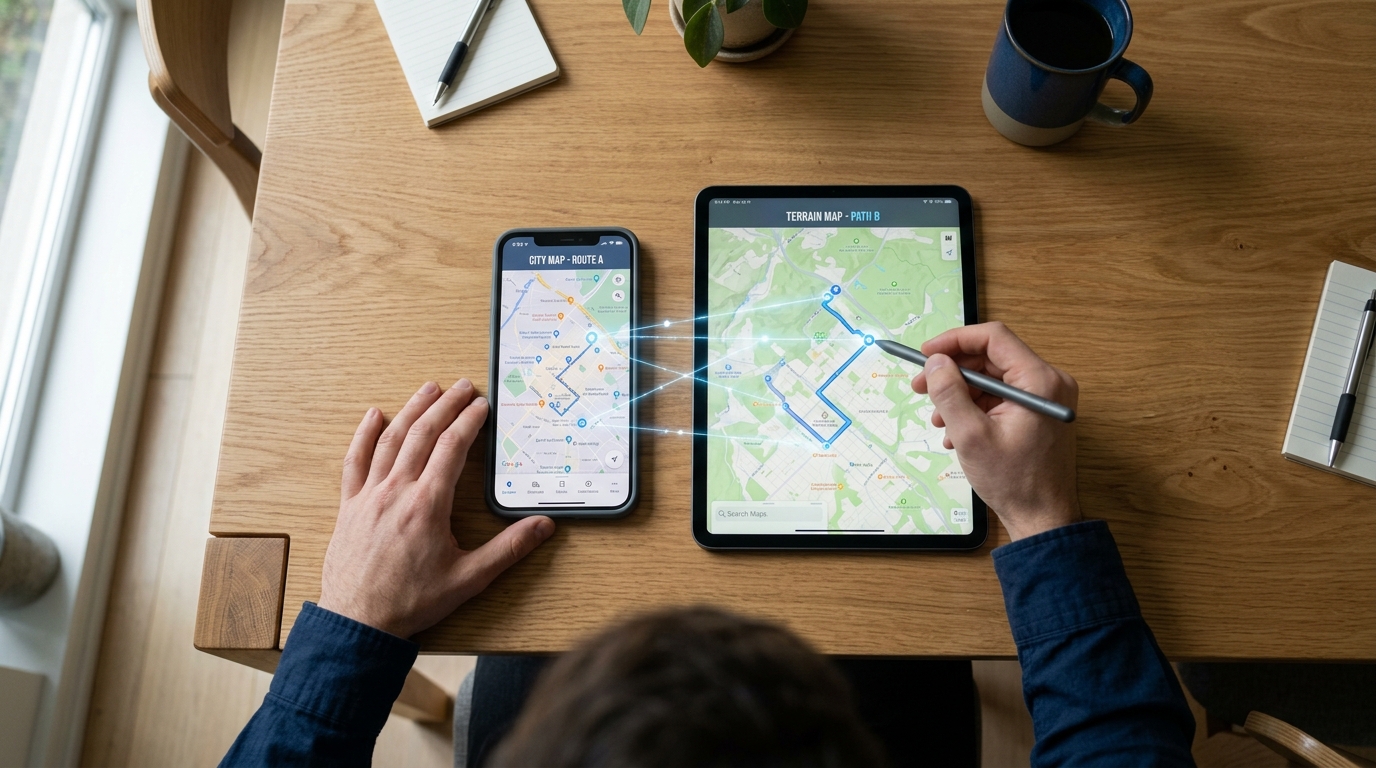
El Método del Salto entre Aplicaciones: En esta configuración, las familias dependen de google maps o waze para la navegación paso a paso, mantienen instalado life360 (o life 360) para avisos generales del grupo y recurren a las herramientas integradas del sistema operativo como buscar mi iphone (a veces escrito apresuradamente como findmyiphone o encontrar mi iphone) cuando se extravía un dispositivo. Cuando una llamada desconocida interrumpe esta rutina, incluso podrían buscar frenéticamente en un directorio de búsqueda inversa de teléfonos o búsqueda de personas.
El Enfoque de Panel Unificado: Aquí, las familias consolidan estos flujos de trabajo. Una aplicación dedicada gestiona las actualizaciones de movimiento diario, la recuperación de dispositivos (actuando como una alternativa nativa a encontrar mi teléfono o localizar mi dispositivo) y actualizaciones de estado contextuales en un solo entorno.
Al comparar ambos métodos, el enfoque fragmentado inevitablemente causa latencia y ansiedad. Nuestros datos de hitos revelaron que los usuarios que abandonaron el Método del Salto entre Aplicaciones experimentaron una caída drástica en las "consultas de pánico". Dejaron de abrir múltiples apps porque una sola plataforma finalmente les proporcionaba el contexto que necesitaban de un solo vistazo.
Revisa el cambio de 2026 hacia sistemas integrados
¿Por qué está ocurriendo esta consolidación justo ahora? La economía de las aplicaciones móviles está madurando y las expectativas de los usuarios son más altas que nunca. Según el informe Adjust Mobile App Trends 2026, las sesiones de aplicaciones globales crecieron un 7% el año anterior, mientras que el gasto de los consumidores aumentó un 10.6% hasta alcanzar los 167 mil millones de dólares. El informe destaca un cambio crítico: el crecimiento móvil de 2026 se define por la gestión de datos integrada y la arquitectura inteligente, en lugar de herramientas aisladas de un solo canal.
El informe señala que la IA ha superado la fase inicial de euforia y ahora es una infraestructura central esencial para procesar datos de manera eficiente. Para una plataforma de ubicación, esto significa usar procesamiento inteligente para gestionar la duración de la batería mientras se ofrecen actualizaciones precisas, en lugar de simplemente consultar un satélite GPS sin descanso. Los usuarios pasan más tiempo en aplicaciones que combinan múltiples funciones de manera confiable, evitando la fricción de cambiar entre una app de navegación y una herramienta independiente de búsqueda de números de teléfono.
Comprende por qué las utilidades nativas de "Buscar mi" se quedan cortas
Si alguna vez has escrito buscar mi iphone com, encontrar mi celular o simplemente donde esta mi dispositivo en un navegador durante una emergencia, sabes que estas herramientas están brillantemente diseñadas para la recuperación de hardware. Son excepcionales para ayudarte a localizar una tablet olvidada entre los cojines del sofá. Sin embargo, las herramientas de recuperación de hardware son fundamentalmente reactivas.
Las utilidades integradas consultan la última ubicación conocida de un dispositivo. Las aplicaciones familiares dedicadas brindan tranquilidad continua y contextual, mostrando no solo las coordenadas, sino también la velocidad de desplazamiento, el historial de rutas y el estado de la batería. Como explicó Zeynep Aksoy en su análisis reciente que detalla lo que 50,000 búsquedas de usuarios nos enseñaron sobre google, google maps y los hábitos de ubicación familiar, las familias que escriben términos con errores ortográficos en los motores de búsqueda generalmente buscan conciencia situacional, no solo un punto parpadeante en un mapa. Quieren saber cuándo llegará alguien, no solo dónde estaba el dispositivo hace cinco minutos.
Abandona los directorios reactivos por una claridad proactiva
Un hallazgo sorprendente de nuestra revisión de hitos de retención fue la frecuencia con la que las familias dependían anteriormente de directorios web externos en momentos de pánico. La gente cree erróneamente que una búsqueda inversa de llamadas o una búsqueda rápida de personas puede localizar instantáneamente a un familiar que no responde a sus llamadas.
Estos directorios extraen información de registros públicos estáticos y bases de datos de facturación, no de sensores GPS en tiempo real. Si estás escribiendo buscar número de teléfono o rastrear número celular en un navegador para encontrar a un adolescente que llega tarde, estás usando la herramienta incorrecta para el trabajo. El mapeo familiar proactivo elimina por completo este comportamiento de búsqueda desesperada. Al mantener una conexión segura y consensuada mucho antes de que la comunicación falle, ya tienes la respuesta en tu bolsillo.
Establece una estrategia de ubicación basada en la confianza
Existe la suposición persistente en la industria tecnológica de que los usuarios preocupados por la privacidad rechazan universalmente compartir su ubicación. Los datos más recientes demuestran lo contrario. El mismo informe Adjust Mobile App Trends 2026 reveló que las tasas de aceptación de App Tracking Transparency (ATT) entre los usuarios de iOS subieron del 35% a principios de 2025 al 38% en el primer trimestre de 2026.
¿Qué significa realmente esta métrica para desarrolladores y usuarios por igual? Las personas están cada vez más dispuestas a compartir sus datos cuando existe un intercambio de valor claro y confiable. En mi trabajo diario desarrollando la infraestructura de backend en Frontguard, he visto de primera mano que la transparencia construye directamente la retención a largo plazo. Si una aplicación explica claramente por qué necesita acceso a la ubicación en segundo plano y garantiza que los datos de movimiento no se venderán a redes publicitarias de terceros, las familias aceptan participar con gusto.
Selecciona la herramienta adecuada para la coordinación de tu familia
Si actualmente estás reevaluando cómo se mantiene conectada tu familia, no te limites a descargar otro mapa genérico ni te conformes con un rastreador de hardware por defecto. Utiliza estos criterios prácticos para auditar tu configuración digital actual:
- Capacidad de consolidación: ¿Puede la aplicación reemplazar la necesidad de cambiar constantemente entre un rastreador de dispositivos a nivel de sistema y un hilo de mensajes de grupo separado?
- Contexto proactivo: ¿Te notifica activamente cuando alguien sale de una zona designada (como la escuela o el trabajo), o tienes que abrir la app y verificar manualmente su estado?
- Paridad multiplataforma: ¿Funciona igual de bien si la mitad de tu familia usa dispositivos iOS y la otra mitad usa smartphones Android?
- Privacidad y transparencia: ¿Es clara la política de privacidad sobre la retención de datos y se alinea con los estándares crecientes de permisos de usuario?
Alcanzar nuestro hito de retención de usuarios no fue solo un juego de números; fue una validación de lo que las familias modernas realmente necesitan. No quieren ser detectives aficionados gestionando una docena de apps diferentes. Si deseas una plataforma cohesiva que priorice la arquitectura inteligente sobre el rastreo reactivo, Find: Family Location Tracker está diseñado precisamente para ese fin. Al reemplazar el desorden de las herramientas independientes con una vista unificada, finalmente puedes convertir el rastreo de ubicación de una fuente de ansiedad en una base para la tranquilidad.