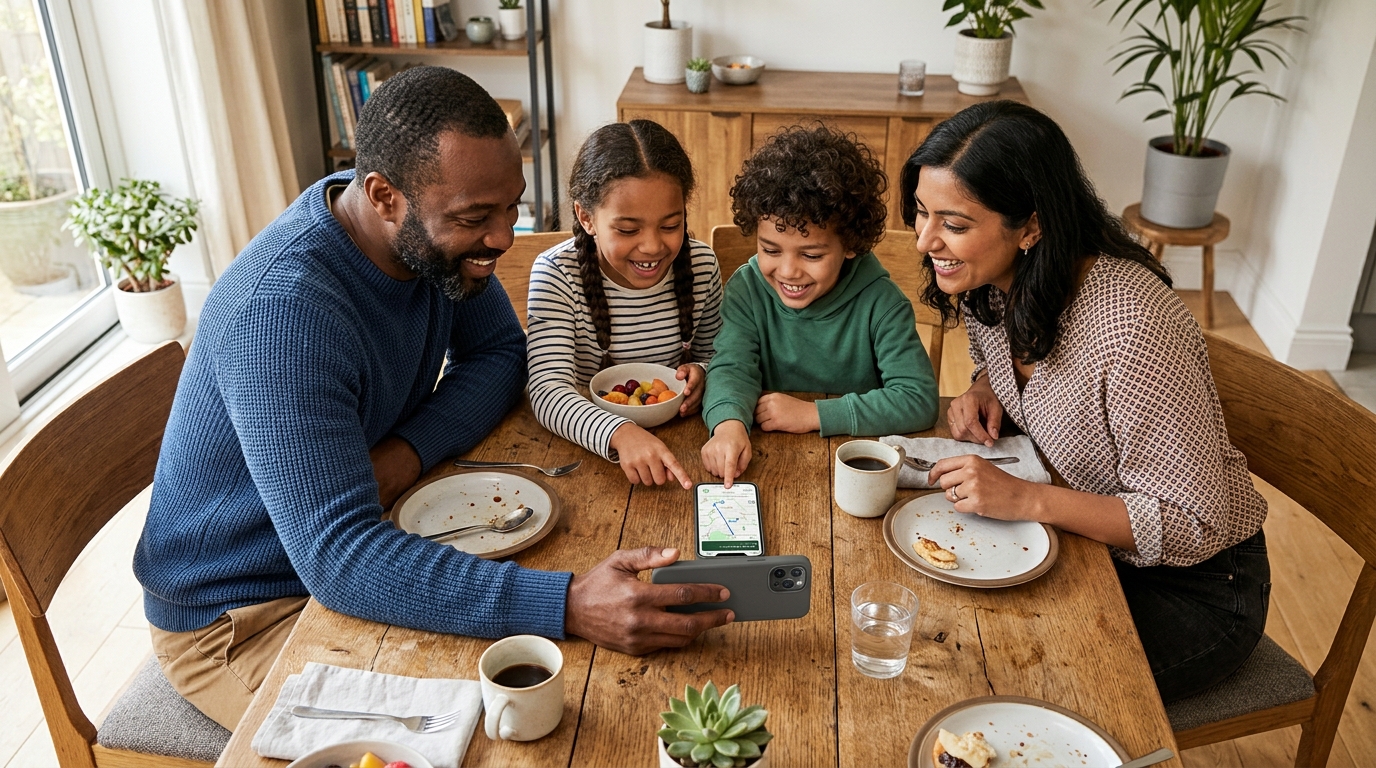
הימים שבהם רעננו את המפה בחרדה כדי לבדוק היכן נמצא בן משפחה הולכים ומשתנים. אנחנו מתרחקים מהחיכוך הכרוך בניטור ומעקב, ונעים לעבר תיאום חכם המבוסס על הסכמה. כמפתח מוצרים שעובד בשיתוף פעולה הדוק עם בינה מלאכותית ותקשורת ממוקדת משתמש, ראיתי כיצד הכלים שבהם אנו משתמשים כדי להתחבר למשפחותינו מתפתחים מכלי עזר בסיסיים של "מצא את המכשיר שלי" לפלטפורמות מתוחכמות שמתעדפות הקשר על פני נתונים גולמיים.
בבסיסה, אפליקציית מיקום משפחתית מודרנית היא יישום מבוסס הסכמה שנועד לשתף בבטחה קואורדינטות GPS בזמן אמת בין אנשים מהימנים במערכות אקולוגיות שונות של מכשירים. היא מגשרת על הפער בין בטיחות לפרטיות, ומאפשרת למשפחות להישאר מחוברות מבלי להרגיש תחת פיקוח משטרתי. אך בחירת הפלטפורמה הנכונה בשוק רווי דורשת הבנה של האופן שבו הטכנולוגיה, הרגלי הצרכנים ותקני הפרטיות השתנו.
השינוי בשקיפות בשנת 2026
כדי להבין לאן מועדות פניה של טכנולוגיית הבטיחות המשפחתית, עלינו לבחון כיצד אנשים באמת מתקשרים עם המכשירים שלהם. על פי דוח ה-Adjust Mobile App Trends 2026 שפורסם לאחרונה, המגזר הנייד חווה צמיחה מתמשכת. הנתונים מראים כי התקנות האפליקציות העולמיות צמחו ב-10% בשנת 2025, והוצאות הצרכנים בפלטפורמות ניידות עלו ב-10.6% והגיעו לסכום משמעותי של 167 מיליארד דולר.
עם זאת, כמפתח אפליקציות, המדד המרתק ביותר בדוח Adjust הוא שיעור ההסכמה למעקב (ATT). בקרב משתמשי iOS, הנכונות לאפשר מעקב עלתה מ-35% ברבעון הראשון של 2025 ל-38% ברבעון הראשון של 2026. יתרה מכך, הדוח מדגיש כי ה-AI הופך ממושג טרנדי לארכיטקטורת יסוד למדידת אפליקציות ופילוח משתמשים.
מה זה אומר עבור המשפחה הממוצעת? זה מרמז שמשתמשים אינם מתנגדים מטבעם לשתף את הנתונים או המיקום שלהם – הם פשוט דורשים ערך ושקיפות בתמורה. כאשר אפליקציה מסבירה בבירור מדוע היא זקוקה לנתוני מיקום ומשתמשת בהם כדי לשמור על בטיחות יקיריהם במקום למכור אותם למפרסמים מצד שלישי, אנשים מוכנים לתת את הסכמתם.
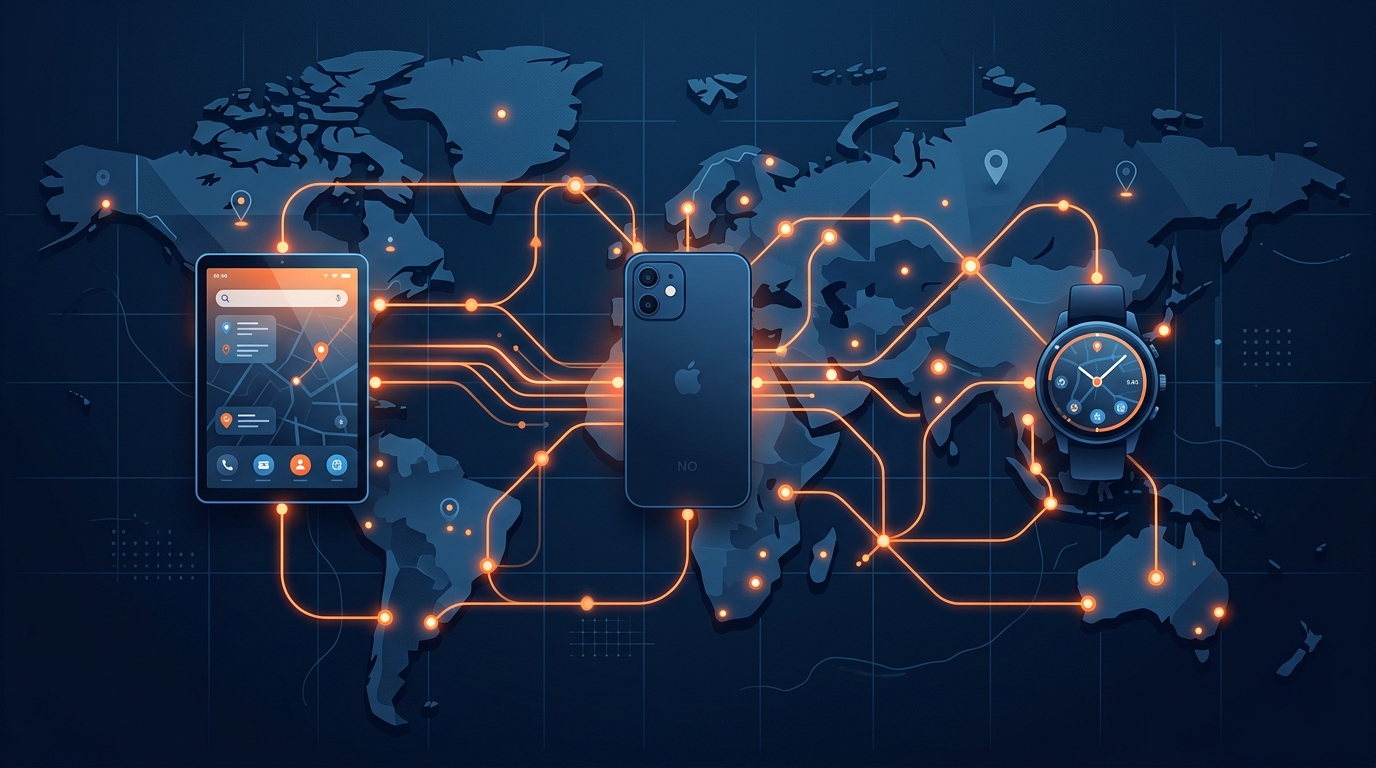
האם אתם מחפשים אדם או טלפון?
טעות נפוצה שאני רואה אצל משתמשים היא בלבול בין כלים לשחזור מכשירים לבין מערכות תיאום משפחתיות. היסטורית, אנשים הסתמכו על שירותי "מצא את הטלפון שלי" המובנים או חיפשו רשומות של מספרי טלפון כשלא הצליחו להשיג מישהו. כלים אלו תוכננו עבור חומרה שאבדה, לא עבור בני אדם.
אם איבדתם את המכשיר בבית קפה, שירות איתור סטנדרטי הוא מושלם. אבל אם אתם מנסים לוודא שהמתבגר שלכם הגיע בשלום לאימון כדורגל, הסתמכות על אותם כלים היא מלחיצה. זה מאלץ אתכם לפתוח את האפליקציה באופן פעיל, לשלוף מיקום ולפרש נקודה סטטית על מפה. זה בדיוק מה שחברתי לעבודה, זיינפ אקסוי, חקרה כאשר ניתחה כיצד התנהגויות החיפוש של משתמשים בנוגע לגוגל מפות חושפות צורך עמוק בביטחון ולא רק קואורדינטות של מפה.
יתרה מכך, ניסיונות קדחתניים להשתמש בחיפוש הפוך של מספר טלפון או בחיפוש מהיר של אנשים מתוך פאניקה מניבים לעיתים נדירות נתוני מיקום רלוונטיים בזמן אמת. שירותים אלו אוספים נתונים מרשומות ציבוריות; הם אינם מספקים את מעקב ה-GPS החי ומבוסס ההסכמה הנדרש לתיאום משפחתי יומיומי.
הערכת המציאות הרב-פלטפורמית
החומרה המשפחתית היא לעיתים רחוקות אחידה. במשק בית אחד, ייתכן שתמצאו הורה אחד המשתמש במכשיר דגל של Google Pixel, מתבגר השולח הודעות מטלפון מיני בתקציב נמוך, סבא ששומר על מכשיר Huawei ישן, ואח צעיר המשתמש בטלפון Doogee עמיד או ב-OnePlus. ייתכן אפילו שמישהו בודק עדכוני זמן הגעה משפחתיים מאפליקציית לוח המחוונים של טסלה בזמן הנסיעה לעבודה.
הפרגמנטציה הזו היא המקום שבו שירותי המעקב המובנים של מערכות ההפעלה נכשלים. מערכת אקולוגית סגורה עובדת נפלא אם – ורק אם – כל אדם תחת קורת הגג שלכם קונה בדיוק את אותו מותג חומרה. ברגע שמישהו עובר למסלול של ספק אחר עם מכשיר אנדרואיד שונה, קישור המעקב המובנה נשבר.
כאשר אתם מעריכים אפליקציה עבור משק הבית שלכם, תאימות בין פלטפורמות (Cross-platform interoperability) חייבת להיות המסנן העיקרי שלכם. אתם זקוקים למערכת שממפה קואורדינטות בצורה מדויקת ללא קשר ללוגו המוטבע על גב המכשיר.
מודל לבחירת המערכת הנכונה
כשמתרחקים מכלים מפוצלים כמו Waze לנהיגה, גוגל מפות להליכה ו-Life 360 לניטור רקע, זקוקים לגישה מאוחדת. אני ממליץ לשפוט כל אפליקציית מעקב פוטנציאלית לפי שלושת הקריטריונים הבאים:
1. יעילות סוללה א-סינכרונית
דגימת GPS קבועה תרוקן את סוללת הסמארטפון תוך שעות. האפליקציות הטובות ביותר משתמשות באלגוריתמים חכמים לזיהוי תנועה. הן דוגמות את רכיב ה-GPS בתדירות גבוהה כאשר המכשיר נע במהירות בכביש מהיר, אך עוברות לטריאנגולציה סלולרית בצריכת חשמל נמוכה כאשר המכשיר נייח במיקום ידוע, כמו בית ספר או משרד.
2. ארכיטקטורת התראות מבוססת הקשר
נקודה מהבהבת על מפה רק אומרת לכם איפה המכשיר נמצא; מיפוי שגרה חכם אומר לכם אם האדם אכן בטוח. במקום לאלץ אתכם לבדוק מסך באופן ידני, המערכת צריכה לשלוח התראה רק כאשר שגרה מופרת או כאשר חוצים גדר גיאוגרפית (Geofence). כפי שפירט קאן דמיר בניתוח שלו על תובנות חיזוי המחליפות מעקב מיקום גולמי, ההקשר הוא זה שבסופו של דבר מספק שקט נפשי.
3. מנגנוני הסכמה ברורים
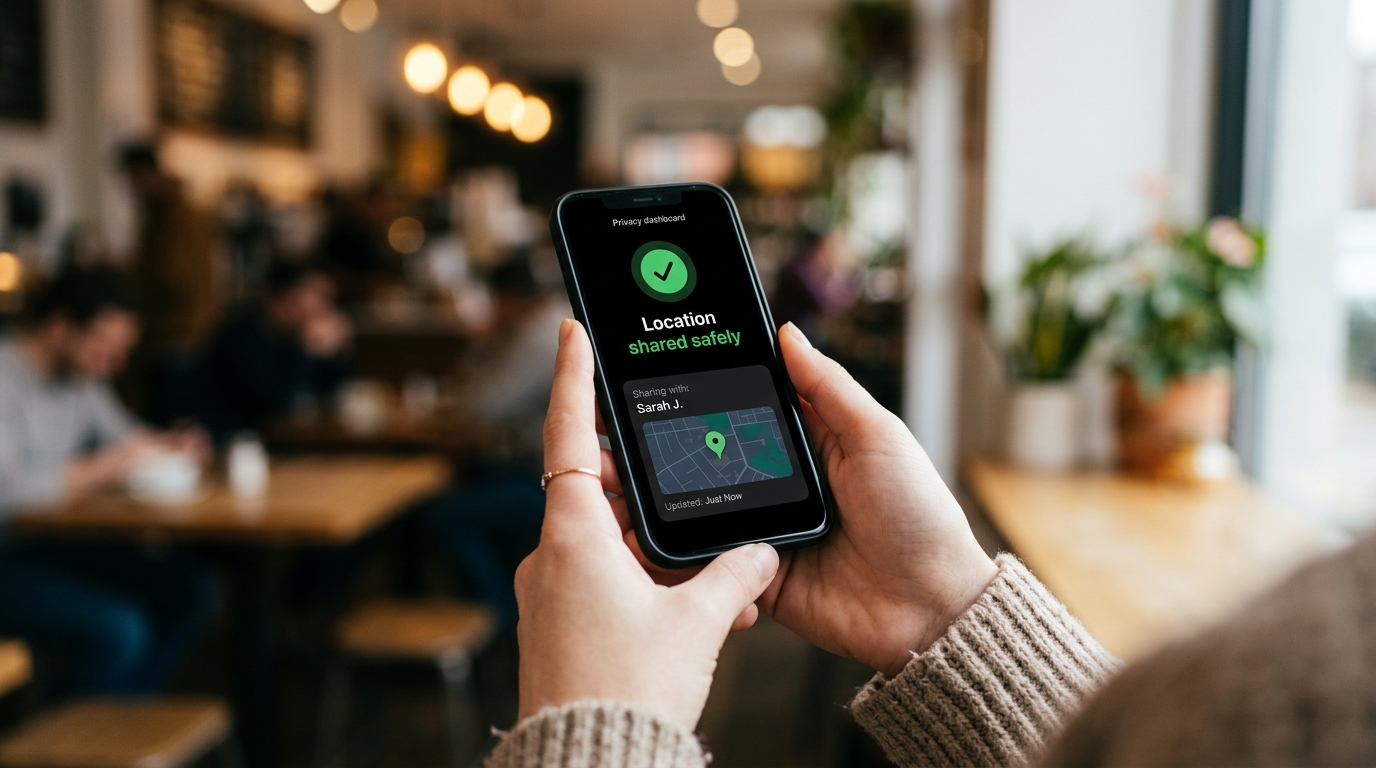
תוכנה זו נבנתה עבור משפחות, מטפלים וצוותים קטנים ומתואמים. היא בפירוש לא נועדה לאנשים המנסים לבצע מעקב סמוי. האפליקציה חייבת לכלול מחווני סטטוס גלויים כדי שהאדם המנוטר יידע שהמערכת פעילה. אמון הוא הבסיס לתיאום משפחתי.
שילוב Find: Family Location Tracker
איחוד כל הדרישות הללו הוא בדיוק הסיבה שבגללה קיימים כלים ייעודיים. אם אתם רוצים מבט מאוחד ורב-פלטפורמי על תנועות משק הבית שלכם ללא ניקוז הסוללה או חששות הפרטיות של מפות גנריות הנתמכות בפרסומות, Find: Family Location Tracker נבנתה במיוחד עבור תרחיש זה. היא מגדירה את מטרת הליבה של האפליקציה: מתן שיתוף מיקום משפחתי מאובטח ואמין על פני מערכות iOS ו-Android מבלי לאלץ את כולם להשתמש באותו מותג חומרה.
מכיוון שהעבודה שלי סובבת סביב בניית חוויות דיגיטליות אינטואיטיביות, אני מעריך כלים שרצים בשקט ברקע אך מספקים מידע קריטי בדיוק כשצריך. דרך העבודה הרחבה שלנו ב-Frontguard, פיתוח אפליקציות החל מרישום הערות מבוסס AI ועד לכלי תיאום משפחתיים, הלקח החוזר הוא תמיד אותו דבר: טכנולוגיה צריכה להפחית חרדה, לא להוסיף לה.
המעבר לכלי מיפוי משפחתי ייעודי דורש שיחה קצרה עם בני הבית על פרטיות, הסכמה ובטיחות. ברגע שהגבולות נקבעים והאפליקציה מותקנת, אתם מפסיקים לדאוג לגבי רענון מפות או איתור מספרי טלפון. אתם פשוט נותנים לארכיטקטורה החכמה לטפל בפרטים הטכניים, מה שמעניק לכם את החופש להתמקד בחיים עצמם במקום בניטור שלהם.