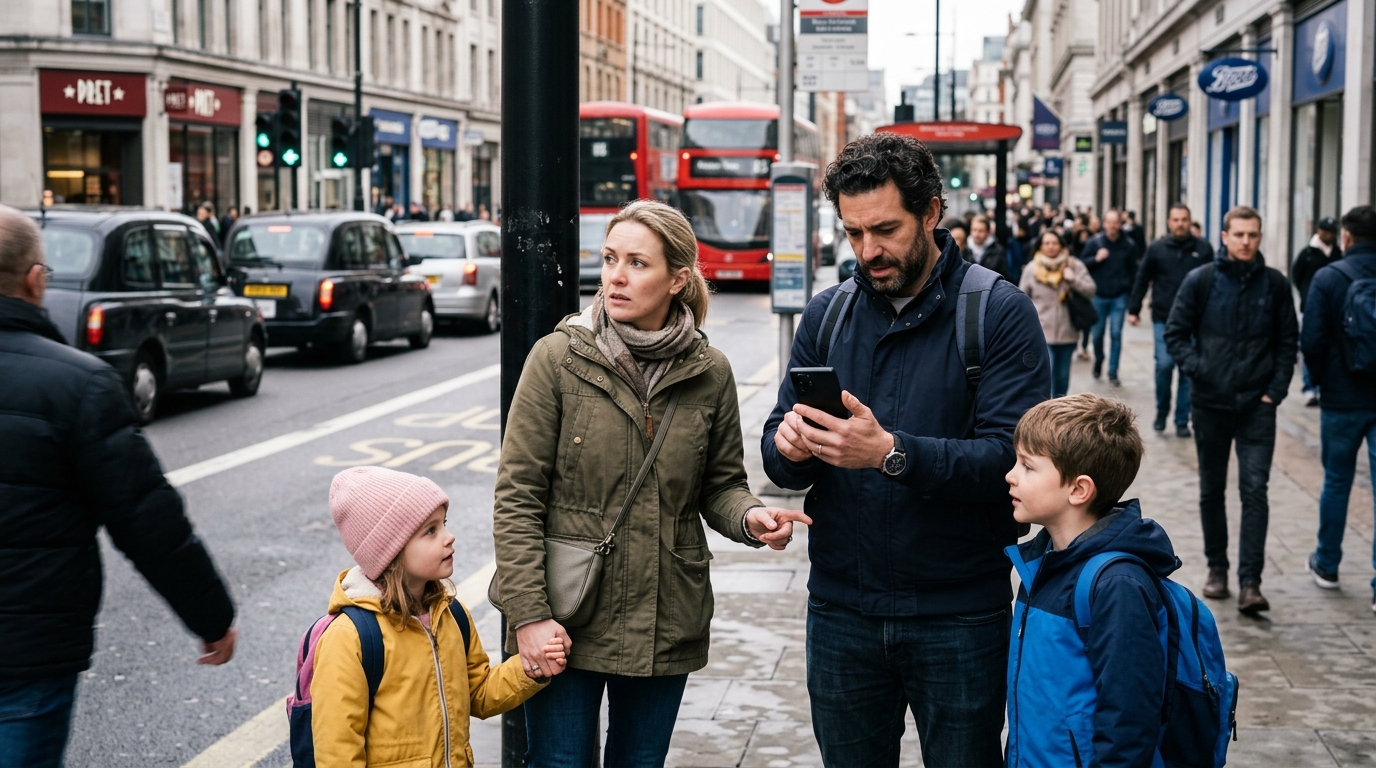
The market is not moving toward more tools. It is moving toward fewer guesses. If you track searches like phone lookup number, look for my phone, search up phone number, my location, and waze navigation live traffic, the pattern is clear: people are no longer looking for isolated answers; they are looking for immediate reassurance. A family location app is not the same thing as a number search tool or a traffic app; it is an app designed to help family members coordinate location sharing, recovery, and everyday tracking from a phone, especially on iPhone and Android.
I work on user-centered products in artificial intelligence and voice technologies, and one thing I keep seeing is that people rarely describe the real problem directly. They type the nearest possible query. Someone searches phone lookup number when what they actually want is context. Someone types look for my phone when they are stressed and need a fast answer, not a menu of options. Someone checks waze navigation live traffic when the real question is, “Will they get there safely, and are they where they said they are?” Those are different surfaces of the same behavior change.
Search behavior now reflects urgency more than curiosity
A few years ago, many people treated tools like separate utilities. You used maps for routes, a device feature for lost hardware, and a phone number lookup service when an unfamiliar caller appeared. Now those boundaries are blurring in the user’s mind. The person holding the phone does not think in product categories. They think in moments: missed pickup, late arrival, silent phone, unknown number, wrong turn, battery anxiety.
That is why terms like search up phone number and my location increasingly sit next to route-based intent, including searches for waze navigation live traffic. The same household may move from checking traffic to checking where a family member is, then to trying to look for a missing device, all within minutes. In practical terms, the market shift is from single-purpose searching to situational problem-solving.
I have observed that this change is especially strong among parents, couples coordinating daily routines, caregivers, and families with teenagers. They are not trying to become investigators. They are trying to reduce small frictions before those frictions become stress.
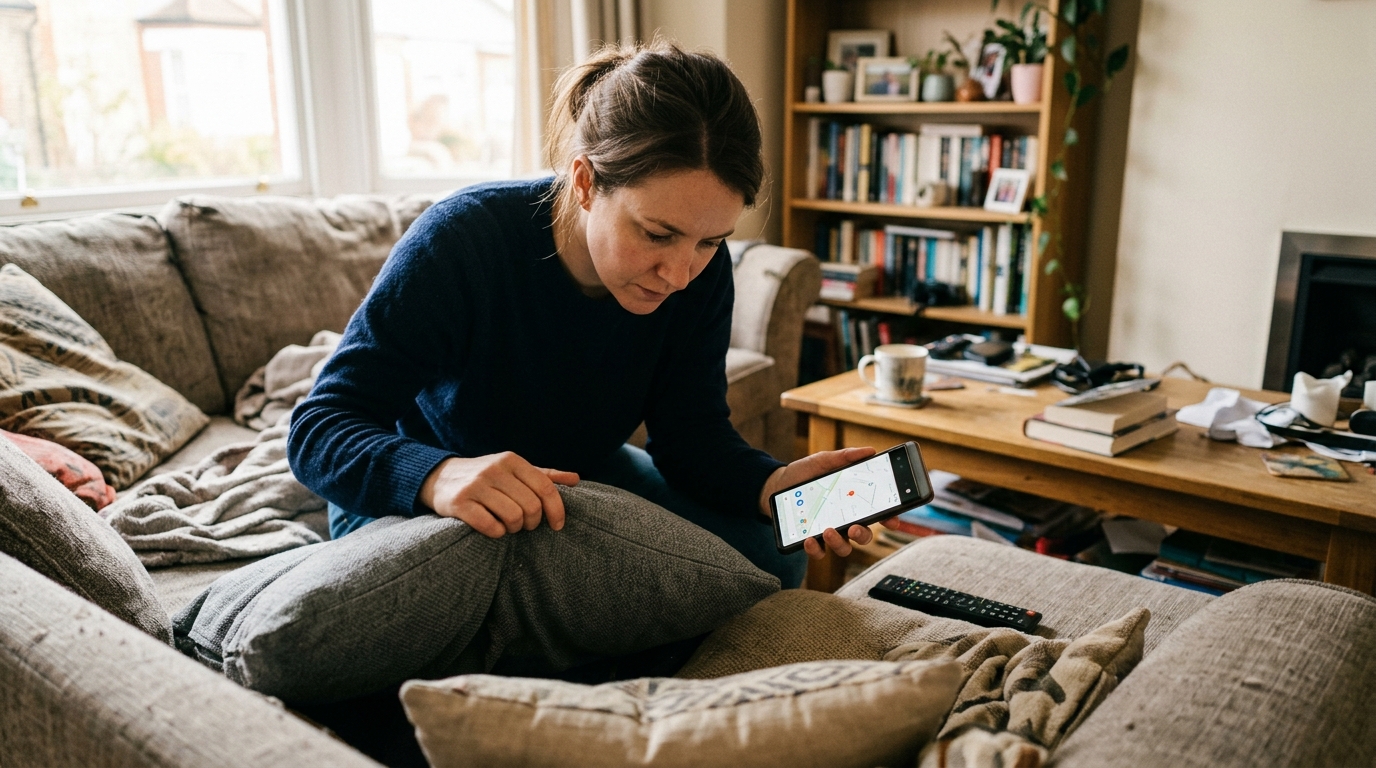
Phone lookup number searches often signal a context gap
When people use a phone lookup number query, they often assume a number can tell them more than it really can. Sometimes they want to identify a caller. Sometimes they want to verify whether a person is reachable. Sometimes they are really trying to answer a different question entirely: “Is this connected to someone I know, and should I be worried?”
That matters because the market has started to punish fragmented experiences. Generic lookup tools can be useful for caller context, but they do not tell you where your family is, whether someone reached school, or whether a lost device is likely nearby. A search result is static. A location-sharing experience, when consent-based and set up in advance, is dynamic.
This distinction is easy to miss when people jump between terms like reverse phone lookup, true people search, fast people search, and phone number lookup. These categories solve different problems. The trend I would add is that users increasingly expect them to feel connected, even when they are not.
Look for my phone has become a daily-life use case, not just a panic use case
The phrase look for my phone used to imply a lost device somewhere under a couch cushion or left in a taxi. That still happens, of course. But the bigger shift is frequency. People now “lose” their phones in softer, more common ways: left on silent, left in another room, handed to a child, buried in a car seat, drained during errands, or carried by the wrong family member after a rushed morning.
That change in behavior affects what users expect from an app. They do not just want a last-known point on a map. They want low-friction confirmation. Was the phone at home? Is it moving? Was it seen recently? Is the person carrying it on the usual route? If you want that kind of answer, Find: Family Location Tracker’s shared location context is designed for that, especially when families need one place to check rather than switching between disconnected tools.
This is also where comparison helps. A built-in device-finding feature can be enough for a single user on a single ecosystem. But families are often mixed across platforms, habits, and age groups. One person says find my iphone, another says find my i phone, another reaches for google maps, and someone else opens waze. The market trend is simple: the household wants one understandable routine, not four brand-specific workarounds.
My location has shifted from a private setting to a coordination signal
The phrase my location sounds technical, but in real life it usually means one of three things: where am I right now, where was I recently, or how do I share this with someone I trust? That sounds small, yet it reflects a major category shift. Location is no longer treated only as a map input. It is becoming a social coordination layer.
For families, this shows up in ordinary routines: school pickups, commuting, elder care check-ins, travel days, meeting points in crowded places, or making sure someone reached home late at night. The old model was reactive: wait, worry, then call. The newer model is lighter: check, confirm, move on.
I agree with the broader direction here because it matches what users actually do. They do not think, “I need a location architecture.” They think, “I need to know whether my child, partner, or parent is where they should be.”
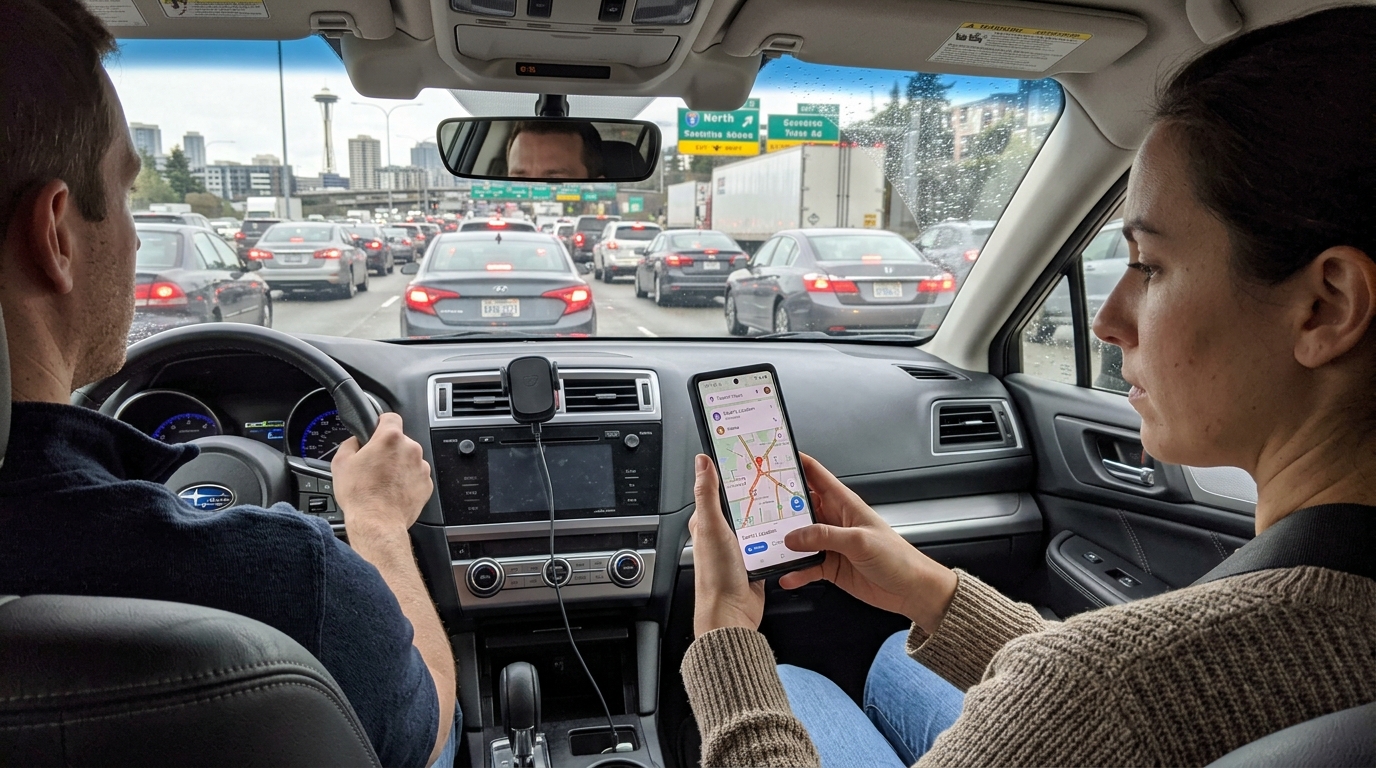
Waze navigation live traffic reveals that arrival certainty matters more than route choice
waze navigation live traffic is a useful trend signal because it appears to be about driving efficiency, but often it is really about predictability. Users check traffic not because they love route optimization, but because lateness creates uncertainty. If a family member is delayed, traffic becomes part of the explanation.
This is where navigation apps and family location apps sit side by side rather than replacing one another. A traffic tool can tell you the road is slow. A family tracker can tell you whether the person is still on the route, already arrived, or stopped somewhere unexpected. Unlike a standard maps session, a family-oriented location and tracking app is focused on ongoing visibility rather than one-time directions.
That difference matters for target users such as parents managing pickups, couples coordinating after work, caregivers checking on older relatives, and families traveling across busy cities. It is less relevant for people who only want anonymous caller identification or occasional route planning.
This category fits some users extremely well and others not at all
The best-fit user for Find: Family Location Tracker is someone who needs shared visibility among trusted people. That includes family routines, caregiving, meeting coordination, and device recovery when family members help each other locate a phone.
Who is this not for? It is not for someone looking for unrestricted surveillance, speculative spy behavior, or a magic way to identify every unknown caller. It is also not the right primary tool for users who only need turn-by-turn driving directions once in a while. A trustworthy location app should be specific about its use: consent-based family coordination and practical phone finding, not fantasy-level tracking claims.
I think that clarity builds more trust than broad promises ever do.
The right selection criteria are becoming more obvious
When users compare options now, they tend to care less about feature lists and more about whether the experience reduces stress in under ten seconds. In my experience, the strongest selection criteria are simple.
First, setup has to be easy enough for non-technical family members. If inviting a parent, teen, or partner feels complicated, the app will not become part of a daily routine. Second, the map view should answer the basic question immediately: where is the person or phone now, and when was that location last updated? Third, cross-platform support matters because real households are messy. Fourth, privacy controls should be clear, not buried. Fifth, battery behavior and background reliability are more important than flashy extras.
Pricing also needs to make sense. Users can tolerate paying for reliability, but they do not like paying for confusion. That is why generic alternatives often fall short. A caller database may help with a search up phone number moment, and a routing app may help with traffic, but neither one gives a dependable shared family layer by itself.
The market is moving from isolated utilities to family systems
One of the more interesting shifts is how often users combine tools in the same flow. They may start with google maps or waze, then jump to a lost-device function, then message a family group, then try a number search. That sequence is inefficient, but it tells us something important: the demand is for a system, not a stack of unrelated apps.
That is also why app companies that think carefully about real behavior stand out. If you are interested in how mobile products are increasingly built around everyday coordination problems rather than isolated features, the broader mobile app work at Frontguard offers a useful view of that shift.
In practical terms, a family location app sits between pure maps and pure lookup tools. It does not replace every utility. It reduces the need to improvise when small uncertainties pile up.
The most useful takeaway is to match the tool to the moment
If the problem is an unknown caller, a number search tool may help. If the problem is traffic, a navigation app may help. If the problem is knowing where a trusted person or shared device is in day-to-day life, a family location app is the better fit.
That sounds obvious, but search trends show that many people still use the wrong starting point. They type phone lookup number when they need family context. They type look for my phone when they need shared visibility. They type my location when they really mean arrival confirmation. The category trend is not about more data. It is about faster reassurance.
So the actionable takeaway is simple: audit your own routine. Notice which moments make you switch between tools. If your household repeatedly moves from traffic checking to location sharing to phone recovery, that is a sign you do not have a good system yet. Find: Family Location Tracker was built for that overlap, where person, phone, and place all matter at once, without turning ordinary coordination into a scavenger hunt.
And that, more than any single keyword trend, is what the market is telling us now.