블로그로 돌아가기

Why Proactive Routine Alerts Are Replacing the Reverse Phone Look Up for Families

Burak Aydın · Apr 30, 2026 6 분 소요
Why Proactive Routine Alerts Are Replacing the Reverse Phone Look Up for Families

Have you ever stared at an incoming call from an unknown number while your teenager was an hour late for curfew, wondering if you should answer or immediately run a reverse phone look up?

When family members go off the grid, the natural instinct is to start searching for clues. However, public directories and reactive searches are fundamentally flawed tools for household safety. Find: Family Location Tracker is an iOS and Android app designed specifically for families and close groups, providing real-time GPS sharing and intelligent movement alerts. If you want genuine peace of mind without micromanaging your household's daily schedule, our newly introduced Smart Routine Alerts feature is designed specifically to replace the panic of reactive searching with passive, real-time awareness.

The data reveals a costly reliance on outdated tools

In my experience building user-centric location and voice technologies, I continually observe how people misuse data when they are stressed. When a child is unreachable, parents often resort to fragmented public directories. According to a 2026 report by Archive Market Research, the market for public number directories was valued at $2 billion in 2025 and is projected to grow at a 15% CAGR through 2033. People are spending massive amounts of time and money running a mobile phone phone number lookup just to figure out who might be contacting their children or where an unfamiliar call originated.

This reliance on public records is not just expensive; it is increasingly unreliable. A recent 2026 Review by Pulse Reports evaluated the current state of these consumer services. While they noted that some platforms like ReversePhoneLookup.org offer fast line-type detection, they also highlighted a critical shift: tightening privacy regulations. State-level privacy laws, specifically California's CCPA and CPRA, have strictly limited how public-records data can be aggregated and redistributed. This means that when you desperately need an answer, the data you get from a backwards phone number lookup might be redacted, outdated, or legally restricted.

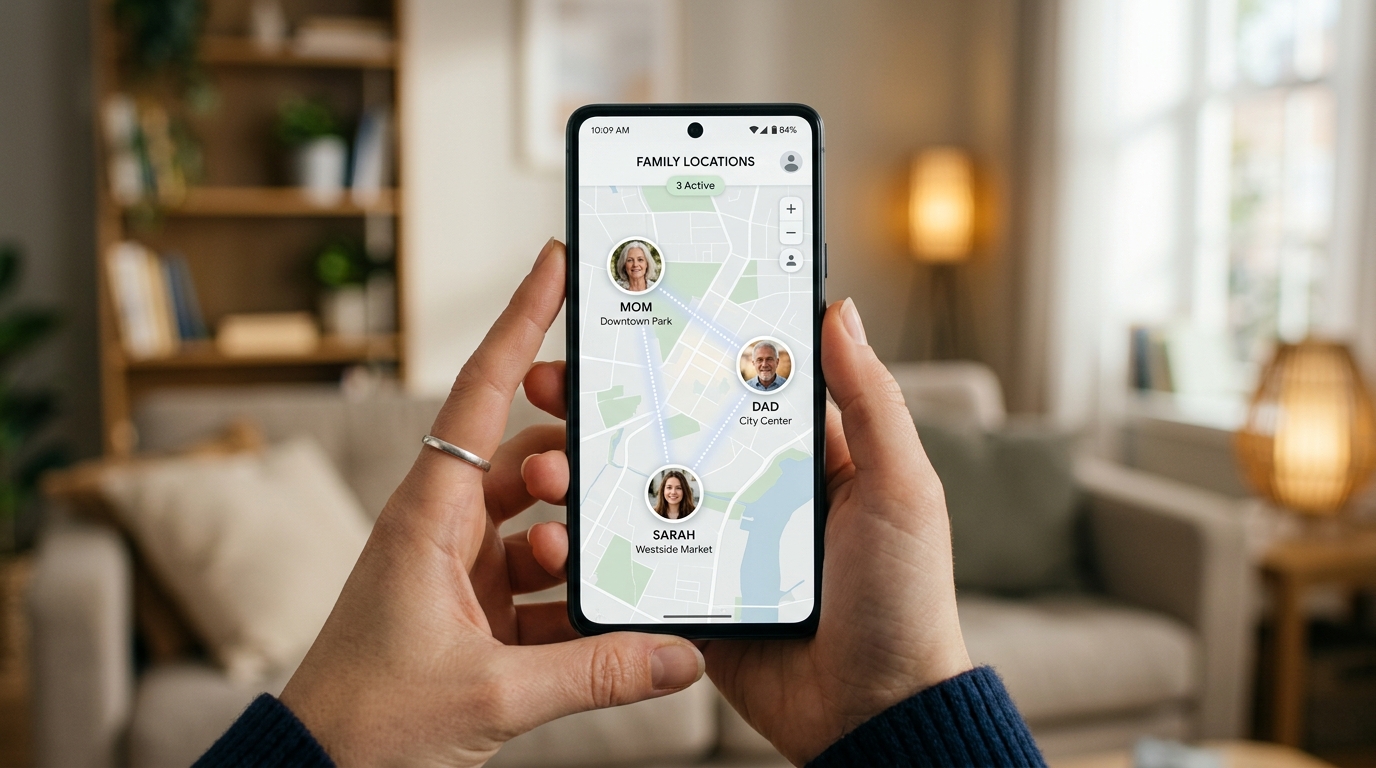
A close-up shot of a person's hands holding a modern mobile phone. The screen di...

Real-time context solves the problem instantly

As a product developer, I view location tracking not as a map, but as a communication tool. The fundamental problem with a backwards phone lookup is latency. It is a forensic tool used after an event has happened. If your child's phone battery dies while they are at a friend's house, identifying the owner of a landline number they use to call you 45 minutes later does not prevent the initial panic.

This exact scenario is why we developed Smart Routine Alerts for Find: Family Location Tracker. Instead of forcing you to hunt down clues, the app learns the natural daily rhythms of your household. It understands when your partner leaves for work, when your daughter arrives at soccer practice, and when your son is commuting home. The system provides passive notifications based on these recognized patterns.

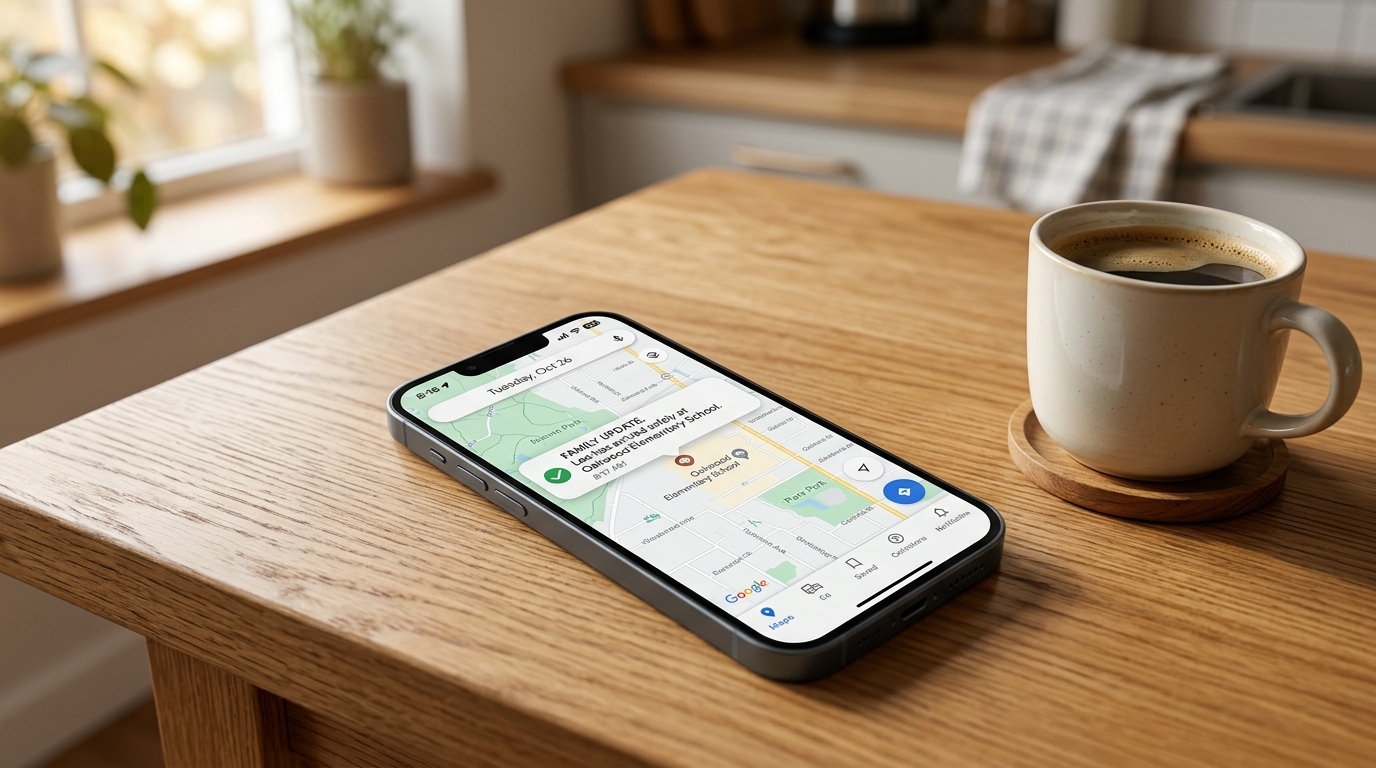
If you receive a call from an unfamiliar number at 4:15 PM, you do not need to execute a phone number look up. You simply glance at your family map and see that your teenager's device safely arrived at the library at 4:10 PM. The context provided by the app immediately defuses the anxiety, making it clear that they are likely just calling from a library desk phone or a friend's device.

Fragmented ecosystems create unnecessary friction

One of the primary reasons families fall back on reactive searches is that their default tools fail them. A household rarely operates on a single device brand. When you have one parent on an Android device, a teenager on an iPhone, and someone else checking a dashboard on a Tesla phone, default OS features like find my or google maps often create fragmented silos. They work perfectly within their own walled gardens but struggle to communicate across platforms.

Our new routine architecture bypasses these artificial barriers. It standardizes the data across iOS and Android, ensuring that everyone in your trusted circle sees the exact same information simultaneously. You do not have to switch between waze to check commute traffic and life 360 to check if someone left school. The unified family map brings all necessary coordination data into a single, intuitive interface.

As Kaan Demir covered this shift in his recent analysis, constantly watching a raw coordinate on a map breeds anxiety. Intelligent platforms must interpret that data and deliver actionable insights rather than just raw GPS pings.

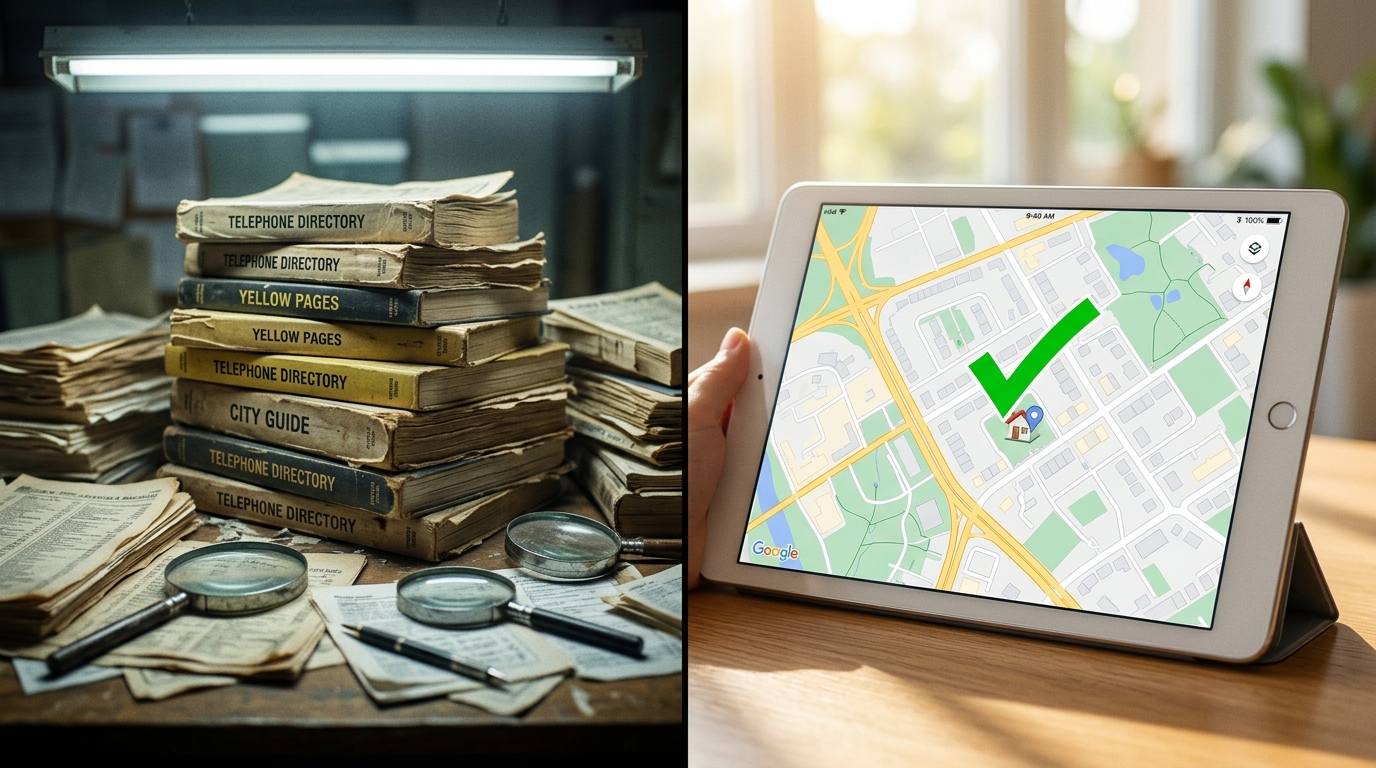
A split-screen style conceptual image. On the left, a blurry, chaotic stack of o...

Privacy must be proactive, not an afterthought

When discussing family tracking, the conversation often turns to privacy. I want to be entirely clear about our target audience. Find: Family Location Tracker is built for families, small collaborative teams, and caregivers who operate with mutual consent. It is definitively NOT for individuals looking to monitor employees secretly, nor is it a tool for spying on unconsenting adults.

Public directory platforms operate in a gray area of scraping and selling data. When you run a reverse phone look up on a web portal, your search query itself often becomes part of their aggregated data profile. In contrast, a closed-loop family tracker encrypts your spatial data. Your household's movement routines belong exclusively to your household. Selin Korkmaz recently analyzed how modern data regulations align perfectly with consent-based family mapping, proving that you do not have to sacrifice personal privacy to achieve household security.

Building better habits for digital coordination

The introduction of Smart Routine Alerts is about changing behavior. We want to move users away from the panicked, detective-style mindset that drives traffic to fast people search directories during moments of uncertainty. We build user-centric solutions at Frontguard because we believe technology should silently support your life, not demand your constant intervention.

When you sit down to evaluate how your family communicates whereabouts, consider the latency of your current methods. Are you waiting for a text? Are you refreshing a default map app? Are you relying on outdated directories when a call comes in? Transitioning to a dedicated, cross-platform family tracker removes the guesswork. It provides the context you need, exactly when you need it, ensuring that your first reaction to an unexpected situation is clarity, rather than a frantic search for answers.

모든 기사