
Ao atingir a marca de 50.000 usuários, uma lição se destaca: pessoas que digitam googlr, googlr maps, google ma, goofle maps ou googl map muitas vezes não estão apenas cometendo um erro de ortografia, mas demonstrando urgência. Elas querem uma resposta rápida sobre localização, direção ou se alguém querido chegou em segurança.
Essa diferença importa. Um mapa é feito para mostrar ruas. Um app de localização familiar é feito para responder outra pergunta: onde está a minha pessoa agora e eu preciso fazer alguma coisa? Para famílias, cuidadores, casais coordenando buscas e pais acompanhando a rotina entre escola e casa, essas não são a mesma tarefa.
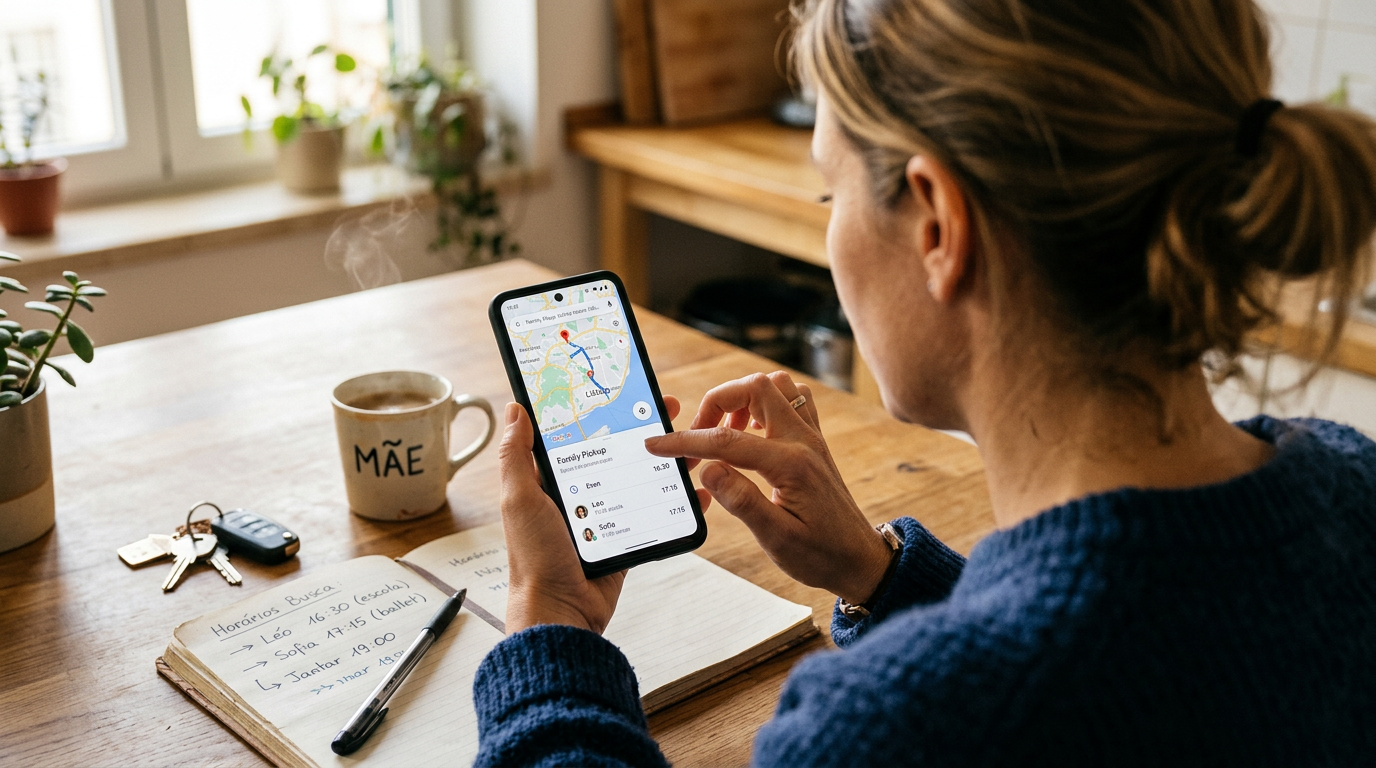
Alcançar esse marco não significa que todos os usuários se comportam da mesma forma. Significa que certos padrões começam a se repetir com frequência suficiente para serem úteis. E o padrão mais útil é simples: muitas pessoas começam com uma busca genérica por mapa e depois percebem que precisam de visibilidade compartilhada, alertas ou um acompanhamento contínuo mais fácil, em vez de navegação pontual.

Por que buscas como googlr maps e goofle maps importam mais do que parecem
Quando as pessoas pesquisam por googlr maps ou goofle maps, geralmente estão tentando resolver um problema prático com rapidez. Às vezes esse problema é uma rota. Mas, no contexto familiar, muitas vezes é uma destas situações:
- Um pai ou uma mãe quer confirmar se o filho chegou à escola ou ao treino.
- Um cônjuge quer saber se a outra pessoa ainda está no trabalho ou já está a caminho.
- Um filho adulto está acompanhando um pai ou mãe idoso.
- Uma família está coordenando buscas em vários locais e dispositivos, incluindo um iPhone ou um celular Android.
Nesses momentos, mapas tradicionais podem ajudar com direções, mas nem sempre lidam bem com a coordenação familiar contínua. Você pode abrir um mapa, buscar um lugar e estimar o horário de chegada. Isso é útil. Só não resolve toda a necessidade.
É nessa lacuna que um app dedicado de compartilhamento de localização se torna relevante. O Find: Family Location Tracker é um app de localização de família e pessoas para Android e iPhone que ajuda usuários a ver a localização compartilhada, coordenar rotinas e acompanhar as pessoas que mais importam.
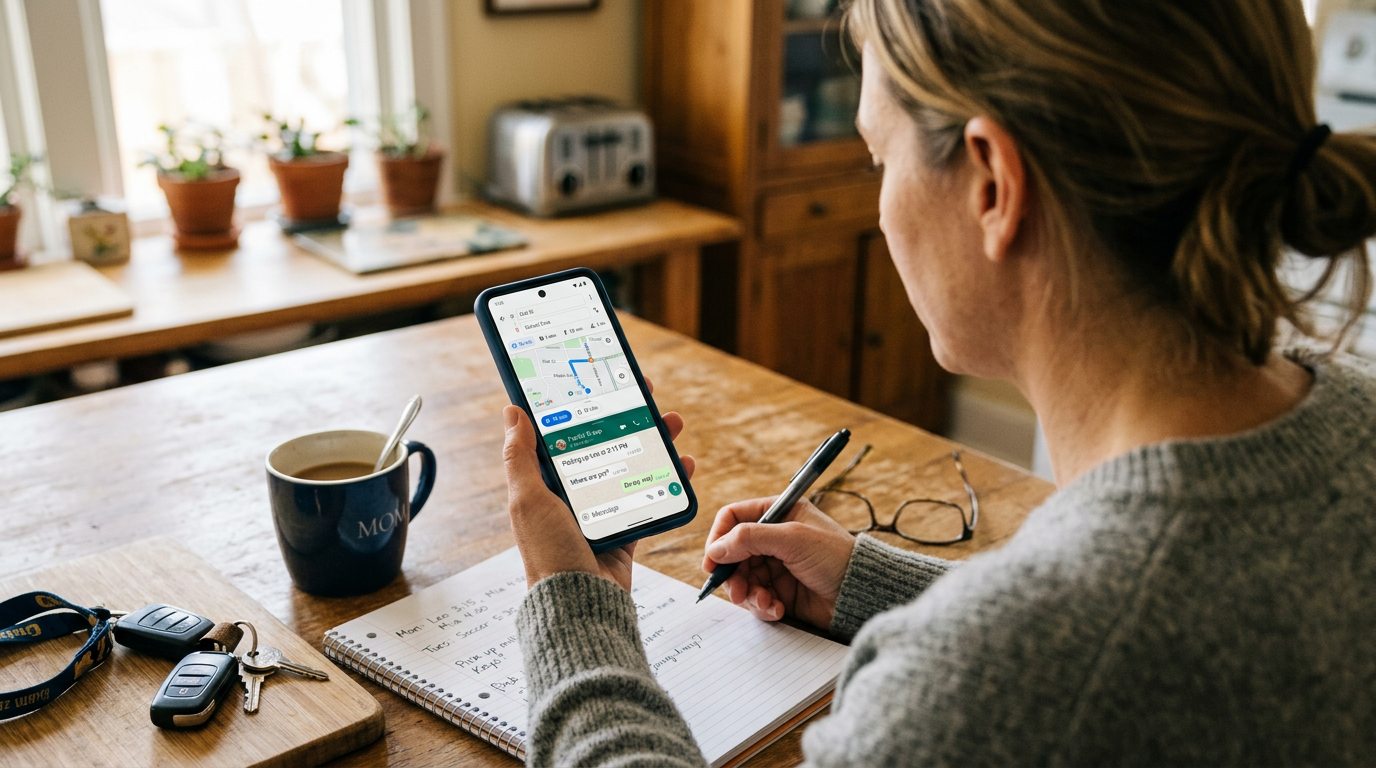
O que mudou depois de 50.000 usuários
Antes de um produto atingir escala relevante, o feedback pode ser confuso. Uma pessoa quer mais detalhes. Outra quer menos notificações. Uma terceira usa o app de um jeito que ninguém esperava. Depois que pessoas suficientes passam a usar o aplicativo, o sinal fica mais claro.
Aqui está o sinal mais claro desse marco: os usuários não querem mais recursos de mapa apenas por ter mais recursos. Eles querem menos momentos sem resposta.
Isso aparece em situações surpreendentemente comuns. Um pai verifica se o adolescente saiu do reforço no horário. Um casal usa a localização compartilhada para evitar mensagens repetidas de “Onde você está?”. Um cuidador quer localizar pelo telefone sem precisar de uma configuração longa toda vez. Uma família em uma viagem de fim de semana quer visibilidade simples, não um painel complicado.
Esses padrões ensinam mais do que números chamativos de crescimento, porque apontam critérios de escolha de produto que qualquer pessoa pode usar.
Como pessoas reais passam de buscas por googl map para necessidades de rastreamento familiar
Uma busca por googl map geralmente começa com uma intenção ampla. Alguém quer um mapa. Mas essa intenção genérica se estreita rapidamente quando a vida real entra em cena.
Pense nisso como uma mudança em três etapas:
- Fase da busca: o usuário abre o navegador e digita algo como google ma, goggle map ou goole map porque precisa de ajuda com localização rapidamente.
- Fase da percepção: ele percebe que não precisa apenas de um lugar no mapa. Precisa saber onde uma pessoa específica está.
- Fase da rotina: ele quer compartilhamento confiável, alertas e acompanhamento contínuo sem repetir as mesmas verificações manuais todos os dias.
Essa mudança explica por que apps de localização familiar e mapas gerais se complementam, e não se substituem. Um trata do mundo. O outro trata do seu círculo.
Para quem esse tipo de app costuma servir melhor
O melhor encaixe não é “todo mundo com um celular”. É algo mais específico do que isso.
Essa categoria costuma funcionar melhor para:
- Pais e mães que gerenciam trajetos escolares, atividades no contraturno e confirmações de chegada
- Famílias que coordenam vários dispositivos, incluindo celulares antigos, um mini celular ou casas com Android e iPhone misturados
- Cuidadores que dão suporte a parentes mais velhos
- Casais que compartilham visibilidade de chegada por conveniência e segurança
- Pessoas que precisam de visibilidade prática de localização, e não apenas de ferramentas públicas de navegação
Ele pode ser menos adequado para usuários que não querem compartilhar localização em seus relacionamentos, pessoas que buscam apenas direções passo a passo ou qualquer um que espere uma plataforma ampla de descoberta para viagens. Um rastreador familiar não foi feito para substituir todos os usos de mapas.
Para o que isso não serve
Dizer isso com clareza ajuda na credibilidade. Esta não é a ferramenta certa se o seu único objetivo é procurar restaurantes, planejar uma rota de viagem de carro ou comparar camadas alternativas de trânsito o dia inteiro. Também não é adequada para uso secreto ou sem consentimento. Um compartilhamento de localização familiar saudável depende de transparência, expectativas combinadas e um propósito claro.
Isso importa porque essa categoria de app pode atrair buscas de pessoas procurando de tudo, desde busca real de pessoas até consulta reversa de chamadas. Essas intenções são diferentes. Um app de localização familiar feito para segurança compartilhada e coordenação não deve ser confundido com ferramentas de identificação de pessoas ou serviços de busca em registros públicos.

Os critérios de escolha com que os usuários mais se importam após o primeiro download
Depois que alguém supera buscas genéricas como google ma ou goofle maps, a decisão de compra raramente gira em torno da marca. Ela gira em torno de confiança e utilidade no dia a dia.
Estes são os critérios que costumam importar mais:
- Velocidade de configuração: a família consegue se conectar sem confusão?
- Clareza: a localização atual é fácil de entender de relance?
- Praticidade para a bateria: o app parece razoável para uso diário?
- Suporte multiplataforma: funciona bem em lares com Android e iPhone?
- Expectativas de privacidade: o compartilhamento é explícito e fácil de entender?
- Utilidade na rotina: resolve perguntas repetidas do dia a dia, e não apenas uma emergência isolada?
Esse último ponto é o mais ignorado. Muita gente pensa que precisa de um localizador apenas para incidentes raros. Na prática, a retenção cresce quando o app reduz atritos diários: buscar as crianças na escola, checar deslocamentos, combinar horários de encontro e momentos de “me avise quando chegar”.
Uma comparação prática: mapas versus um app dedicado de localização familiar
Mapas gerais são excelentes para ajudar usuários a descobrir lugares e ir do ponto A ao ponto B. Uma ferramenta dedicada de localização familiar se concentra na visibilidade compartilhada entre pessoas conhecidas. Ao contrário de uma busca comum em mapas, ela é pensada para relacionamentos contínuos, e não para destinos pontuais.
| Necessidade | Ferramentas gerais de mapa | App de localização familiar |
|---|---|---|
| Encontrar uma loja ou endereço | Ótimo encaixe | Uso secundário |
| Ver a localização ao vivo compartilhada de alguém querido | Limitado ou indireto | Uso principal |
| Coordenar rotinas familiares recorrentes | Exige esforço manual | Melhor encaixe |
| Estimar rota e direção do trânsito | Ótimo encaixe | Dá suporte, mas não é o foco |
É por isso que muitos usuários mantêm os dois. Eles podem usar ferramentas de mapa do Google para planejar rotas e depois usar um rastreador familiar para ter visibilidade compartilhada.
Perguntas que os usuários continuaram fazendo nesse marco
“Se eu já uso mapas, por que precisaria de outra coisa?”
Porque planejar rotas e acompanhar pessoas resolvem problemas diferentes. Um mapa mostra onde os lugares estão. Um rastreador familiar compartilhado ajuda você a ver, em tempo real, onde estão as pessoas que você convidou.
“Isso é principalmente para pais?”
Não. Pais e mães são um grande caso de uso, mas não o único. Casais, cuidadores e lares com vários dispositivos também usam apps de compartilhamento de localização com frequência.
“Isso substitui o Buscar iPhone?”
Não exatamente. Encontrar um dispositivo e coordenar uma família têm pontos em comum, mas não são a mesma coisa. Buscas como find my iphone ou find my iphone com geralmente têm a ver com recuperar um aparelho, enquanto o rastreamento familiar está ligado a rotinas compartilhadas e segurança.
“E se alguém pesquisou googlr porque estava com pressa?”
Esse costuma ser exatamente o ponto. Buscas rápidas e imperfeitas geralmente refletem intenção urgente. Produtos que respeitam essa intenção devem reduzir etapas, não acrescentar mais.
O que esse marco realmente sugere sobre retenção
Crescimento de usuários chama atenção; o uso contínuo normalmente é o sinal mais relevante. Um app de localização familiar continua útil quando passa a fazer parte da vida comum sem se tornar invasivo.
Isso significa que o produto deve fazer algumas coisas de forma consistente: abrir rápido, mostrar a pessoa certa, tornar o status atual fácil de entender e evitar transformar cada consulta em um projeto. Famílias não querem um painel de controle complicado. Elas querem confiança.
Também sugere que a retenção depende menos de novidade do que de utilidade repetível. Um recurso pode soar impressionante na descrição da loja e ainda assim ser ignorado se não se encaixar no comportamento diário. Em contraste, uma verificação simples de localização que evita cinco mensagens por dia pode se tornar indispensável.
Onde o Find: Family Location Tracker se encaixa em um conjunto de ferramentas realista
Para muitos usuários, a melhor configuração não é escolher entre mapas e rastreamento. É usar cada um para aquilo que faz melhor. Apps de mapas gerais continuam úteis para busca de destinos, trânsito e planejamento de rotas. Um rastreador familiar dedicado dá suporte à camada humana: confirmar chegadas, verificar se alguém ainda está a caminho e reduzir a carga mental da coordenação.
Se você quer esse tipo de visibilidade cotidiana, os recursos de localização compartilhada do Find: Family Location Tracker foram pensados para isso. Você também pode explorar o contexto mais amplo do app na página inicial do Find: Family Location Tracker ou ler sobre casos de uso de compartilhamento de localização para famílias se estiver comparando opções.
O mais interessante sobre os primeiros 50.000 usuários não é o número em si. É o que esse número esclarece. Pessoas que pesquisam googlr, googlr maps, google ma, goofle maps e googl map muitas vezes estão tentando resolver um problema de coordenação familiar com uma busca genérica de mapa. Quando você enxerga isso com clareza, a categoria passa a fazer mais sentido, assim como os produtos que pertencem a ela.